
Towing 101: Payload, Tongue Weight, and Not Wrecking Your Truck
The numbers that keep a loaded trailer from pushing your truck around.
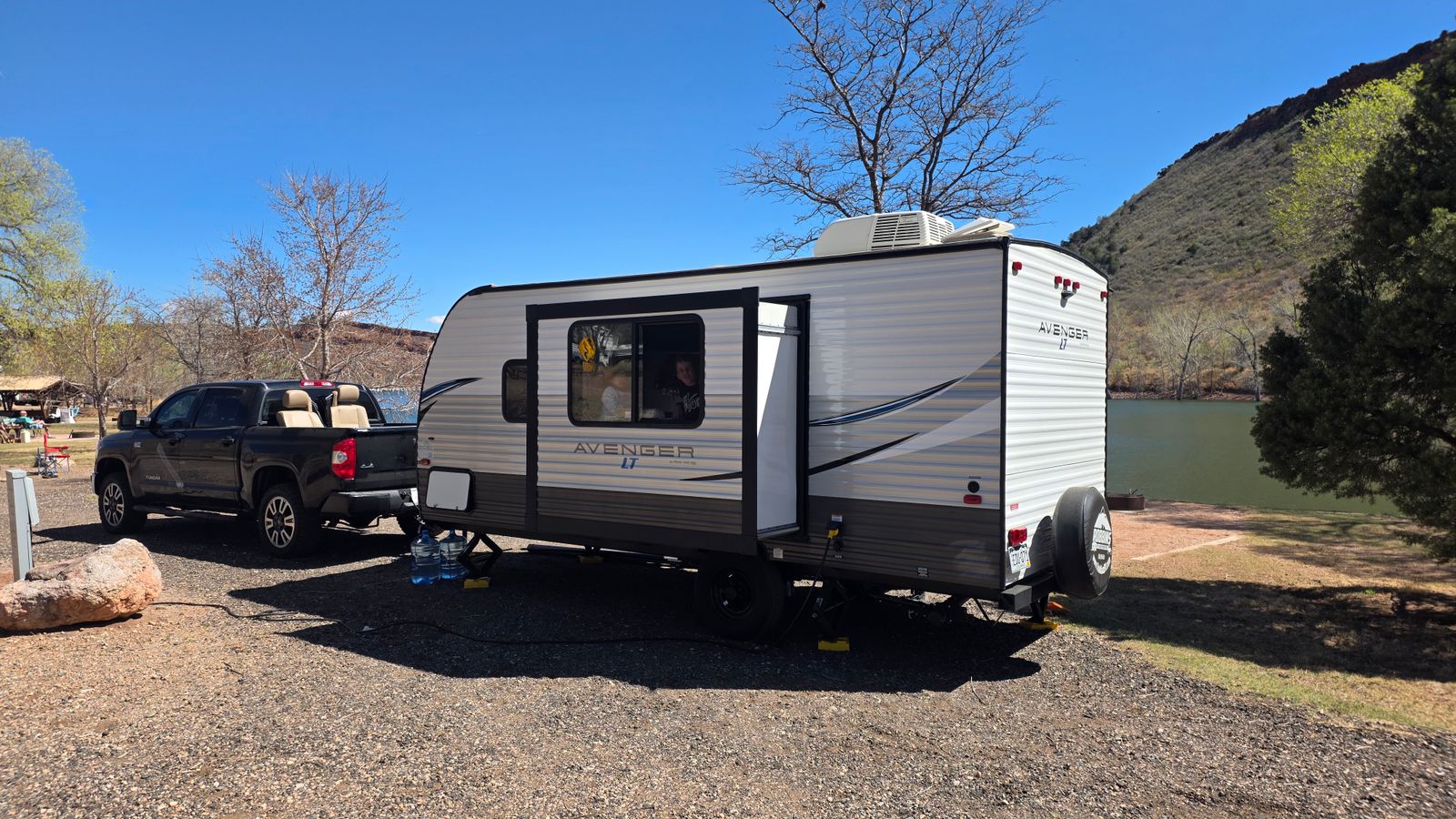
A pickup makes towing look effortless — right up until a heavy trailer is shoving the back end of your truck around on the highway and the whole rig starts to sway. Towing safely has surprisingly little to do with horsepower and almost everything to do with a handful of numbers most people never bother to look up. Get them right and a loaded trailer tracks straight and stops predictably; get them wrong and physics takes over.
Four numbers keep you and everyone behind you safe: towing capacity (how much you can pull), payload (how much you can carry, including part of the trailer), GVWR (the max the loaded truck can weigh), and tongue weight (how much the trailer presses down on the hitch). Stay inside all four and you're towing right — blow past any one and the truck can't do its job.
The numbers that matter
- Towing capacity: the maximum weight your truck is rated to pull behind it. The easy one — just don't exceed it. But it assumes everything else is in spec, so it's a ceiling, not a target.
- Payload: how much weight you can put in and on the truck — passengers, gear in the bed and cab, and the trailer's tongue weight all count against this single number. This is the one people blow through without realizing it, because they forget the tongue weight and the family both count.
- GVWR (Gross Vehicle Weight Rating): the maximum total weight of the truck itself fully loaded — the truck, everyone in it, and everything it's carrying. Payload is basically GVWR minus the truck's empty weight.
- Tongue weight: the downward force the trailer's coupler puts on the hitch ball. The target is roughly 10–15% of the loaded trailer's total weight — the sweet spot that keeps the trailer stable.
Why tongue weight is the sneaky one
Tongue weight is where good-looking setups go wrong, because it's a balance, not a maximum:
- Too little tongue weight (trailer loaded tail-heavy) and the trailer starts to sway — that terrifying side-to-side fishtailing that can build until it takes the truck with it.
- Too much tongue weight (loaded nose-heavy) squats the truck's rear, lifts weight off the front wheels, lightens and vagues out the steering, and hurts braking.
The fix is how you load: put a bit more of the cargo weight ahead of the trailer's axle than behind it to land in that 10–15% window, keep heavy items low and centered, and strap everything down so nothing shifts on the road and changes the balance mid-trip.
Where to find your numbers
Don't rely on a capacity figure you half-remember from a commercial — those are best-case numbers for a stripped truck. Your real limits are on the sticker in the driver's door jamb and in the owner's manual. The door sticker often lists the specific payload for your truck as built, which is what counts. Then do the honest math: add up passengers, cargo, fuel, and tongue weight, and make sure the total stays under payload and GVWR.
Weigh it if you're near the limit. A public scale (many truck stops have them) costs a few dollars and turns guesswork into fact. Weigh the loaded rig and you'll know exactly where you stand instead of hoping — cheap insurance before a long haul with a heavy load.
Don't skip trailer brakes and a brake controller on heavier loads, and always cross your safety chains in an X under the tongue so the coupler can't hit the pavement if it comes loose. Your truck's brakes alone were never designed to stop both the truck and a loaded trailer — asking them to is how you run out of brakes at the bottom of a long grade.
The two-minute pre-tow check
Even with the numbers right, a quick walkaround before you pull out prevents the most common towing disasters. Run through it every time: the coupler is fully seated and latched on the ball and the latch is pinned; the safety chains are crossed under the tongue and hooked to the truck; the breakaway cable (on trailers that have one) is attached to the truck, not to the ball; the trailer lights work — have someone confirm brakes, turn signals, and running lights while you operate them; the tires are aired to spec on both the trailer and the truck, including the trailer's spare; and the load is strapped down so nothing shifts. Then check again after the first few miles — couplers settle, straps loosen, and a quick stop at a pullout to re-verify the hitch and retug the straps has saved many a trailer from coming loose on the highway. It takes two minutes and it's the cheapest insurance in towing.
When to step up the setup
For bigger trailers, a weight-distributing hitch spreads the tongue load across both axles and settles the ride, and a sway-control device tames fishtailing. If you're regularly near your truck's limits, that's a sign you're either overloading or you need more truck — towing at the ragged edge every trip wears out the drivetrain and leaves no margin for a crosswind or a panic stop. Know your numbers, load to them, and towing becomes routine instead of white-knuckle.
Keep going
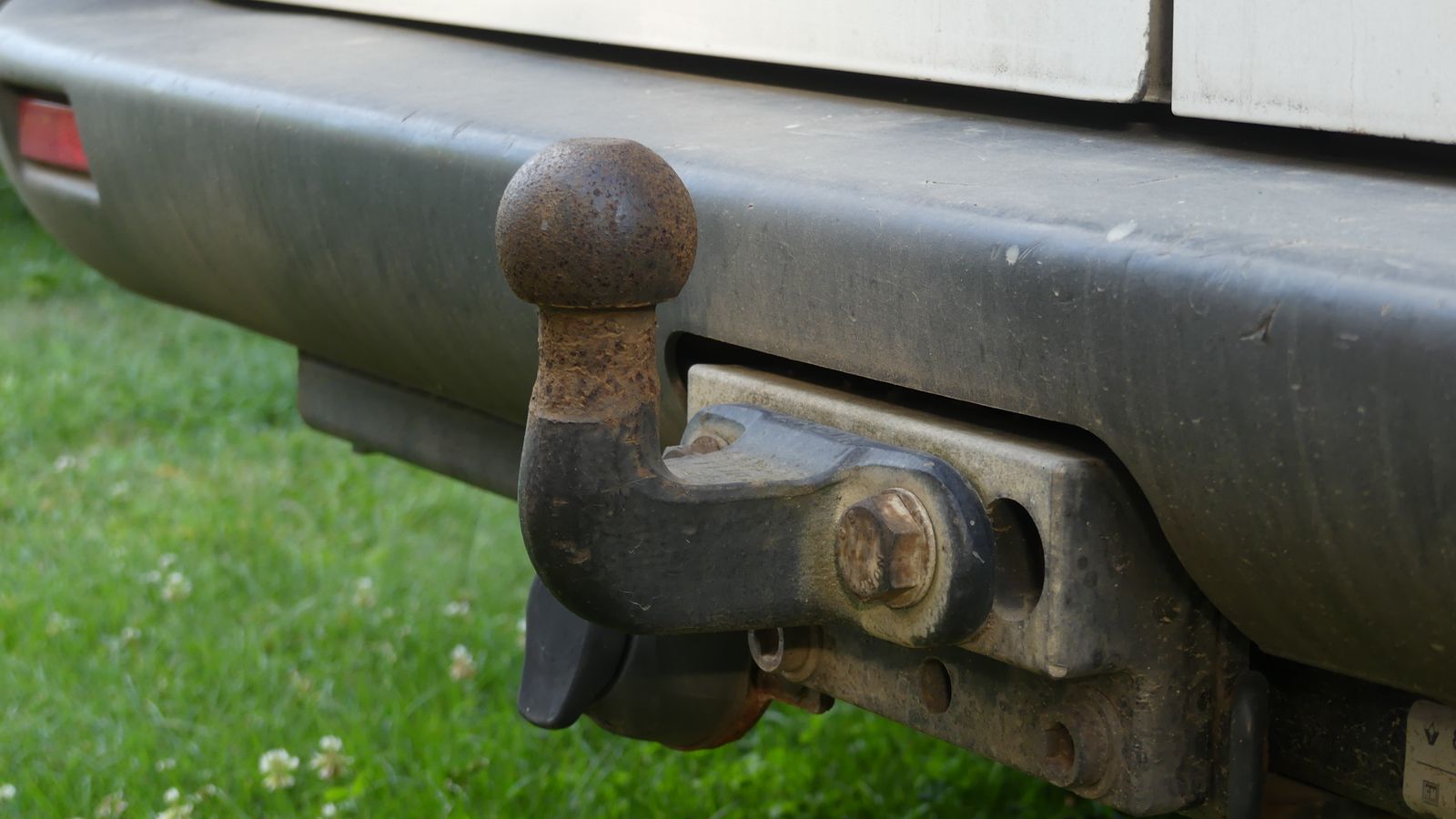
How to Back Up a Trailer Without Losing Your Mind
One hand trick turns the backwards-steering nightmare into something you can actually do.

Why Your Car Won't Start: Battery, Starter, or Something Cheaper
What the sound (or silence) when you turn the key tells you — before you tow it anywhere.
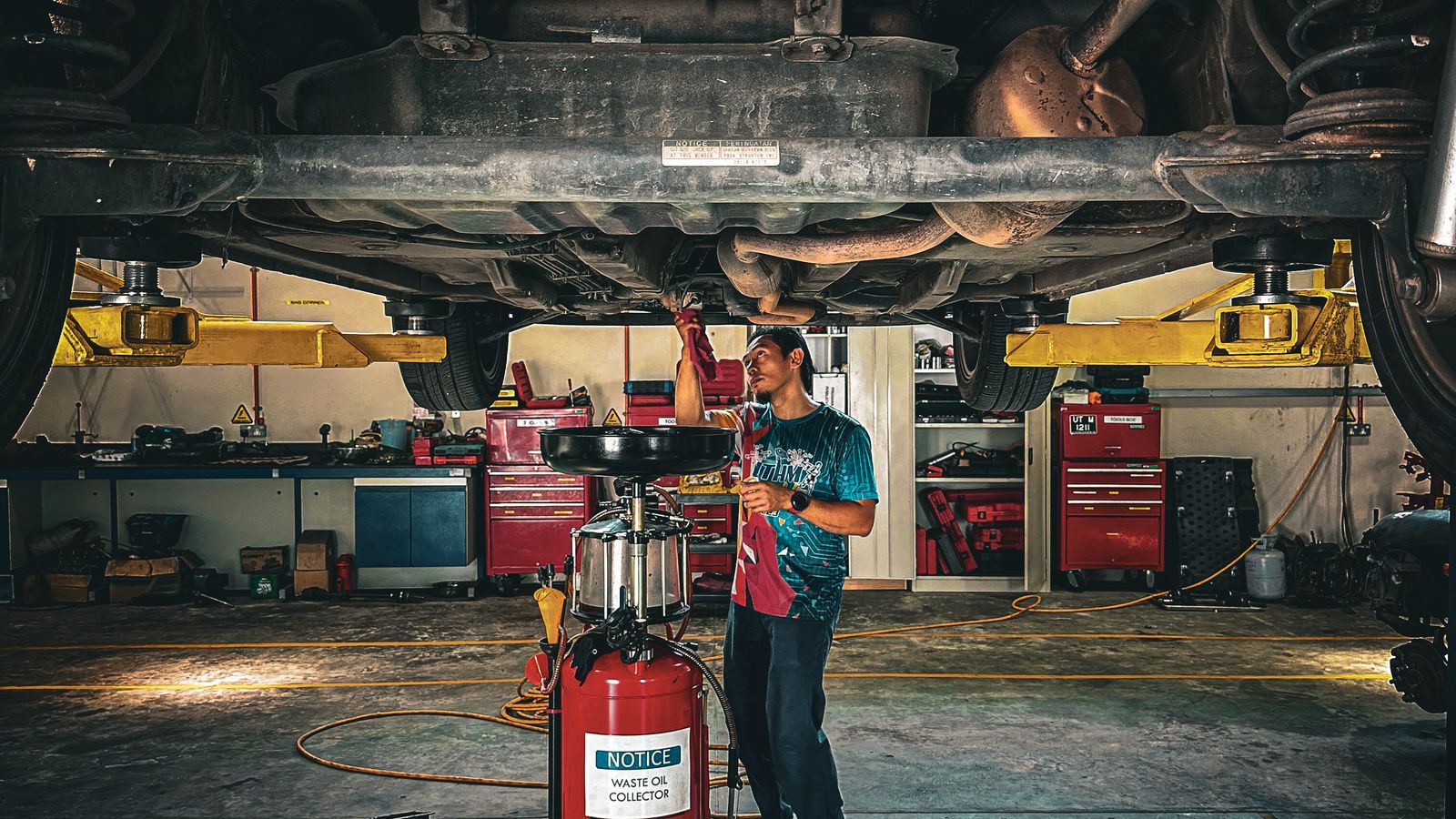
How to Change Your Own Oil (And Actually Save Money Doing It)
An hour in the driveway, the right oil, and one torque you shouldn't guess at.