
How to Change Your Own Oil (And Actually Save Money Doing It)
An hour in the driveway, the right oil, and one torque you shouldn't guess at.
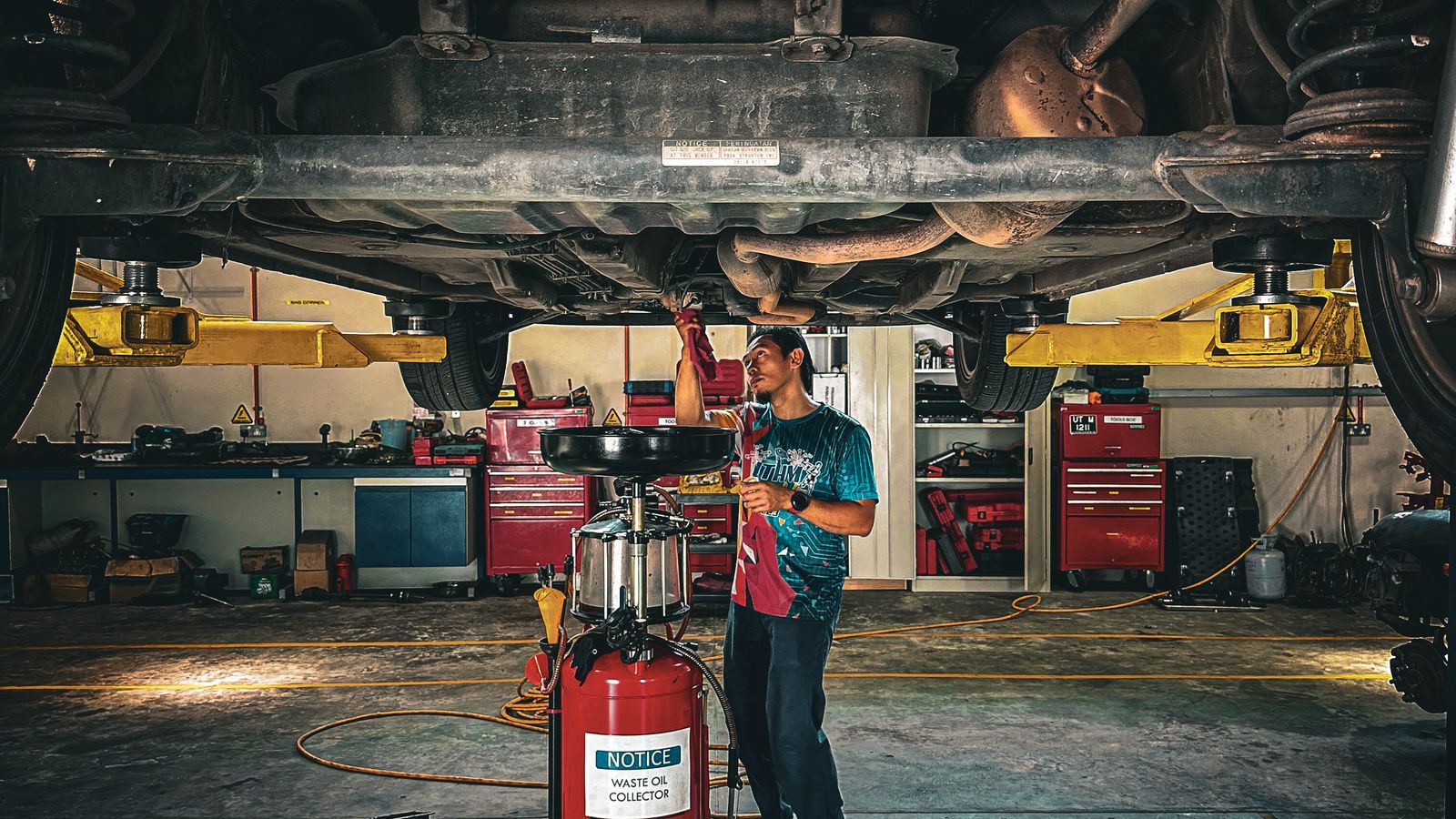
The quick-lube place wants forty-plus dollars and a waiting room full of upsells for something you can do in your own driveway in under an hour. Do it yourself and you save money every single time — but the real payoff is knowing it was done right, with the exact oil your engine calls for and a drain plug that isn't cranked down hard enough to crack the pan.
An oil change is three simple acts — drain the old, replace the filter, refill with the right oil — and two places people go wrong: using the wrong oil, and overtightening the drain plug. Get the spec right and the plug snug (not gorilla-tight), and this is one of the most satisfying, money-saving jobs a driveway mechanic owns.
Get the right parts before you start
Your owner's manual lists three things that matter, and you follow them, not the counter guy's suggestion: the oil weight (like 5W-30), whether it needs full synthetic, and the total capacity in quarts. Buy that oil and the correct filter for your exact year, make, model, and engine. Grab a new drain-plug washer too if your car uses a crush washer — they're pennies and they're the difference between a dry plug and a slow weep.
Lift it safely — this part is not optional
Warm the engine for a few minutes so the oil thins and flows out cleanly, then shut it off. Get the front of the car up on ramps or jack stands on level ground — never work under a car held up by nothing but a jack. A jack is for lifting; stands are for holding. This is the step that turns a routine job into a tragedy when people skip it, so don't.
The steps
- Drain the old oil. Slide the pan under the drain plug — a little forward of it, since the oil shoots out at an angle — loosen the plug with a wrench, then spin it out by hand. Expect it hot and dirty; that's exactly what you're getting rid of. Let it drain until it's down to a slow drip.
- Swap the filter. Move the pan under the filter and unscrew it (it holds a cupful of oil, so it'll spill). Wipe the mounting surface clean, then smear a film of fresh oil around the new filter's rubber gasket — dry gaskets stick and tear. Spin the new filter on by hand until the gasket touches, then about three-quarters of a turn more. No wrench.
- Reinstall the drain plug — snug, not stripped. With a fresh washer, thread it in by hand first to be sure it's not cross-threaded, then tighten to a firm snug. Overtightening strips the aluminum pan, and a stripped pan erases every dollar you ever saved changing your own oil. Torque to spec if you have a wrench — it's usually a modest 25 to 30 lb-ft, far less than people assume.
- Refill and check. Lower the car, add the correct amount through the filler cap (start with a bit less than capacity, since the old filter held some), run the engine a minute to circulate it, shut it off, wait two minutes, and check the dipstick. Top up to the full mark and look under the car for leaks.
Recheck the level after your first drive. A new filter fills up on that first run, which can drop the reading slightly. And glance under the car the next morning — a fresh spot means the drain plug or filter needs another gentle snug, not a fresh panic.
Deal with the old oil the right way
Pour the used oil into a sealable jug — the empty new-oil bottles work — and take it to any auto parts store, which recycles it free. Never pour it on the ground or down a drain; a single oil change dumped wrong can foul a lot of groundwater, and it's illegal besides. Most stores take the old filter too.
Track your interval honestly. Modern synthetic oil in a normal driver often goes 5,000 to 7,500 miles or more — follow your manual, not the "every 3,000 miles" sticker the shop hopes you'll believe. Write the mileage on the filter or a windshield tag so you're not guessing next time.
The tools that make it easy
You don't need much, and you'll reuse all of it: a wrench or socket that fits your drain plug, an oil filter wrench (a cap-style or strap type) for filters that won't budge by hand, a low-profile drain pan that holds more than your car's oil capacity, a funnel, and a box of nitrile gloves. A cheap torque wrench is the one upgrade worth buying — it takes the guesswork out of the drain plug and your lug nuts both. If your filter is the sealed cartridge type (a paper element in a housing on top of the engine) rather than the familiar spin-on canister, you'll need the right size socket or cap wrench for its cap, so check which kind you have before you start rather than discovering it mid-job. Buy the tools once and every future oil change is pure savings — the setup pays for itself in two or three changes and then keeps paying, year after year, for as long as you own cars.
Skip the upsells
Skip: the "high mileage" and "premium" bottles unless your manual or your engine's actual oil consumption calls for them, and skip engine "flushes" and additive potions entirely. The right spec, changed on time, beats the fanciest bottle on the shelf — and it's your money staying in your pocket instead of theirs.
Keep going
The 5 Fluids in Your Car — and How to Check Them in 10 Minutes
A ten-minute look under the hood catches the problems that strand you.
When to Replace Your Engine Air Filter (and the Cabin One Everyone Forgets)
Two filters, five minutes each, and one of them is why your AC smells funky.
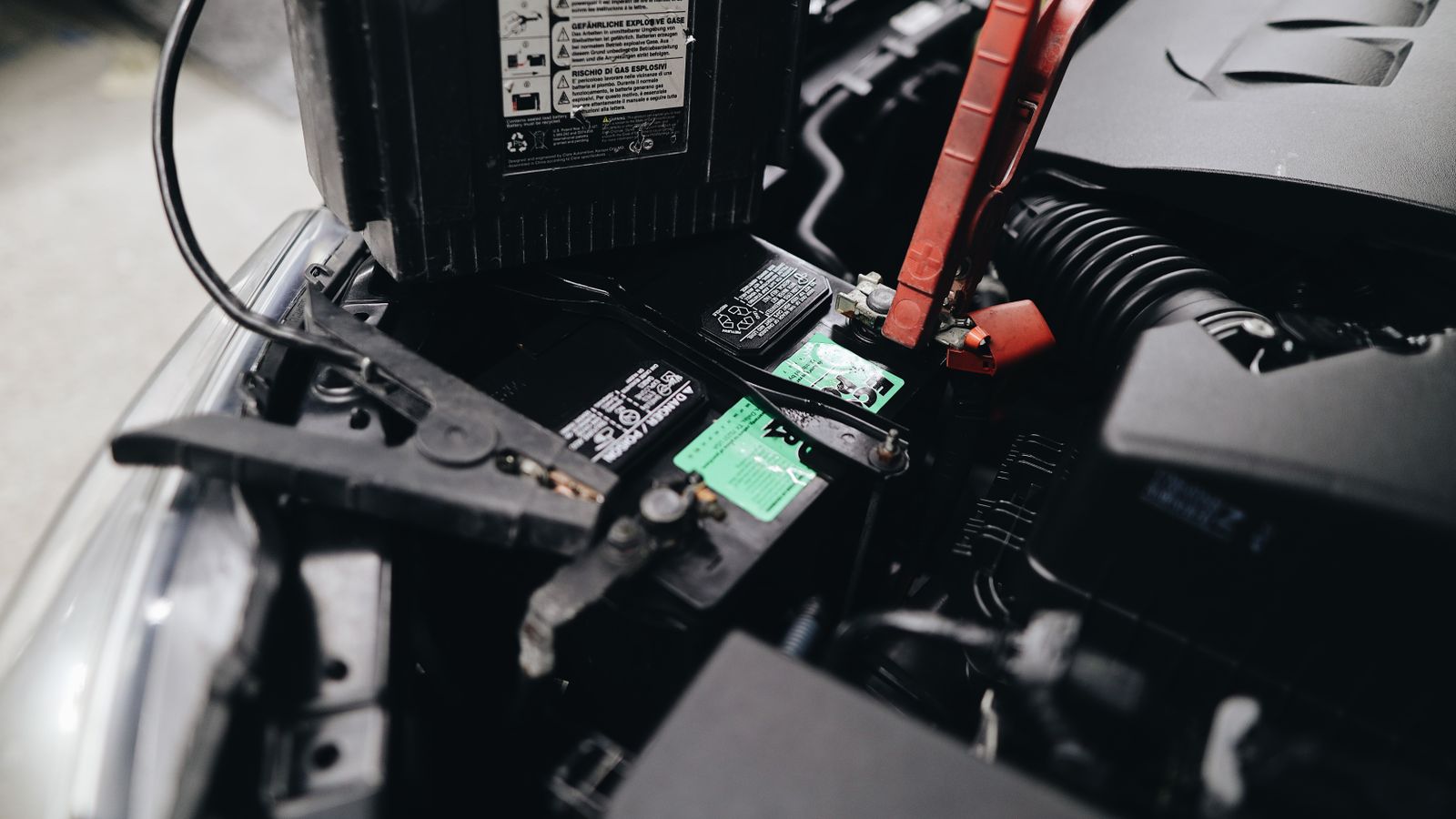
Why Your Car Won't Start: Battery, Starter, or Something Cheaper
What the sound (or silence) when you turn the key tells you — before you tow it anywhere.