
Why Your Car Won't Start: Battery, Starter, or Something Cheaper
What the sound (or silence) when you turn the key tells you — before you tow it anywhere.
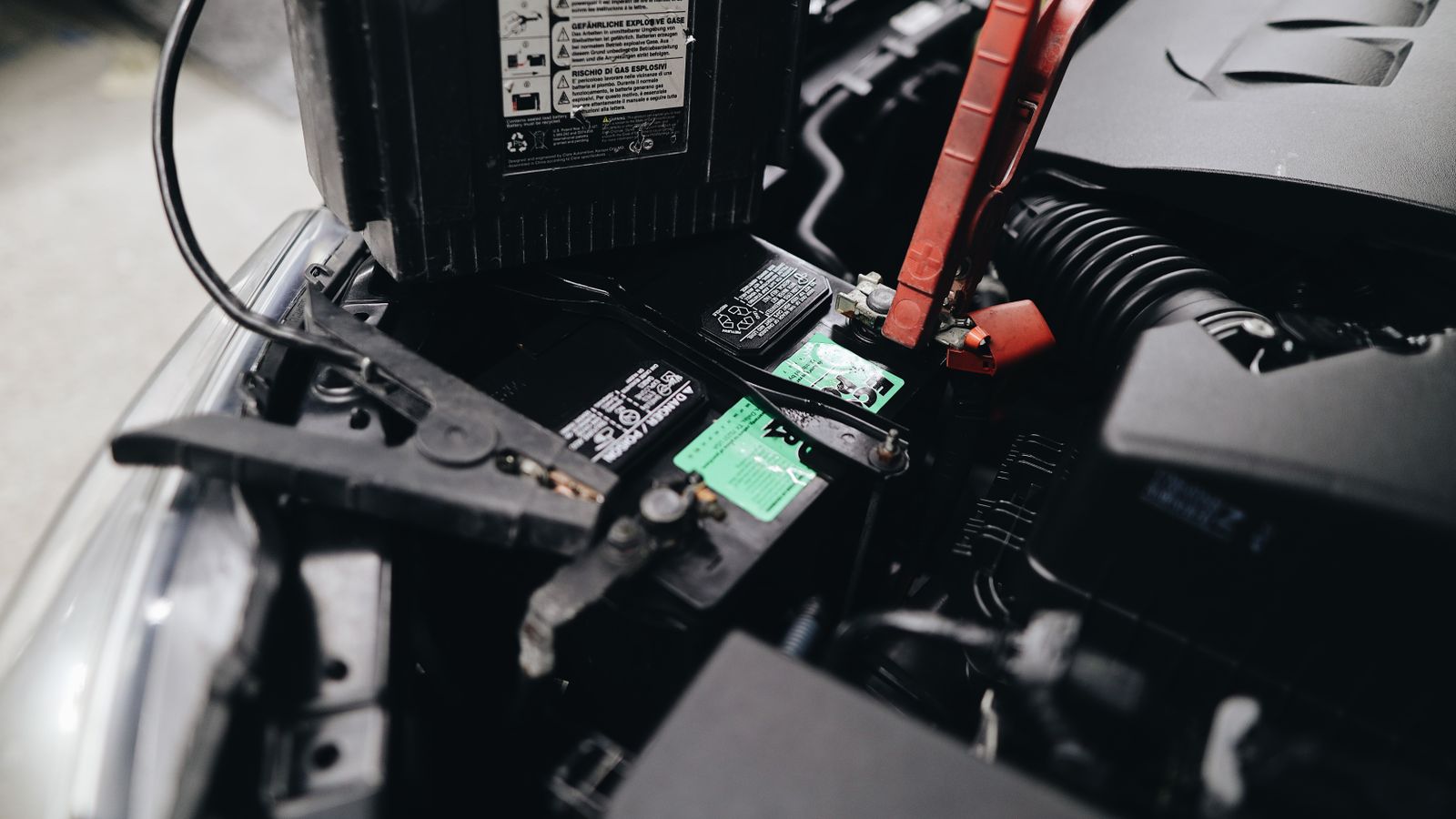
You're already late, you drop into the seat, turn the key, and it does anything but start. Before you call a tow truck or start throwing parts and money at it, stop and listen. The sound your car makes — or the silence — tells you most of what you need to know, and the most common cause is also the cheapest to fix.
A car needs three things to start: a charged battery to spin the engine, a working starter to do the spinning, and fuel and spark to actually fire. The noise at the key points you at which one is missing — so diagnose by ear first, and you'll rarely be wrong about where to look.
Match the symptom to the cause
Turn the key to start and pay attention to exactly what happens. Each of these points somewhere different:
- Nothing at all, or a single faint click, and the dash lights are dim or dead: almost always a dead battery or a loose/corroded terminal. This is the most common no-start there is, and the cheapest to fix.
- A rapid machine-gun clicking when you turn the key: the battery has just enough juice to pull the starter solenoid in but not enough to spin the motor — again, a weak battery or a bad connection.
- One loud clunk and then nothing, with a dash that stays bright and strong: often the starter motor itself, or its solenoid, has failed.
- It cranks strong — the engine spins fast and freely — but won't catch: the battery and starter are fine. You're missing fuel or spark, which is a different and usually more involved hunt.
Check the cheap stuff first
Before anything else, pop the hood and look at the battery. This two-minute check solves a huge share of no-starts:
- Inspect the terminals. White, blue, or green crust on the posts, or a clamp you can wiggle by hand, chokes off the current the starter needs. Either one will fake a dead battery perfectly.
- Clean and tighten them. Disconnect the cables (negative first), scrub the posts and clamps bright with a baking-soda-and-water paste and an old toothbrush, rinse, dry, and retighten until nothing moves.
- Try again. A shocking number of "dead" cars start right up once the connection is solid.
Confirm the battery with a jump
If cleaning the terminals didn't do it, a jump start settles the question fast. If it fires right up on a jump, your problem is charging or storage — the battery is worn out, or the alternator isn't keeping it charged. If it dies again within a day or two, replace the battery (and have the alternator checked). If a proper jump does nothing — no crank, no change — then the battery isn't your issue and you're looking harder at the starter or a broken connection.
Two clues sharpen the diagnosis. If the dash lights go dim or die the instant you turn the key, that's a battery too weak to hold up under load. If the dash stays bright but you get one clunk and no spin, the battery's fine and the starter is the prime suspect. And a starter on its way out often gives a warning first — an occasional no-start that fixes itself on the second or third try.
Cranks but won't fire: the other branch
When the engine spins fast but won't run, you've ruled out the battery and starter entirely. Now you're chasing spark and fuel: a failed fuel pump (listen for the faint hum from the tank when you turn the key to "on"), a bad ignition component, a security system that isn't recognizing the key, or a sensor the engine computer relies on to start. This is where a code reader earns its keep — many of these faults store a trouble code even before the check engine light stays on.
Don't keep grinding the starter. Cranking for more than about ten seconds at a stretch overheats the starter motor and drains what little battery you have left. Turn the key for a few seconds, stop, wait half a minute, and try again — long cranks turn a small problem into a dead starter.
Two roadside tricks worth knowing
Before you give up on a no-start, two old tricks fix a surprising number of them. First, if the car cranks but won't catch and you have an automatic, try starting in Neutral instead of Park — a worn neutral-safety switch sometimes only makes contact in one position, and this gets you home. Second, if you turn the key and get one clunk or nothing with a good battery, the starter's contacts may be stuck: with the key held in the start position, have someone tap the starter motor firmly with a wrench or the heel of a shoe while you try again. A tired starter will often kick over one more time when it's jarred — enough to drive to a parts store. Neither is a permanent fix, but both can turn "stranded" into "limp it home." And if a security light is flashing and the engine won't even crank, the car may not recognize the key — try your spare, since a failing transponder or a dying key-fob battery can lock out the start.
When to get help
Batteries, terminals, and even a starter swap on an accessible engine are all within reach for a confident DIYer. But cranks-but-won't-start problems — fuel pump, ignition, sensors, anti-theft — are where a scan tool and a pro save you real time and guesswork. The good news is that after this, you'll walk in able to say exactly what the car does when you turn the key. That single sentence saves a shop half its diagnosis, and saves you from paying for it.
Keep going
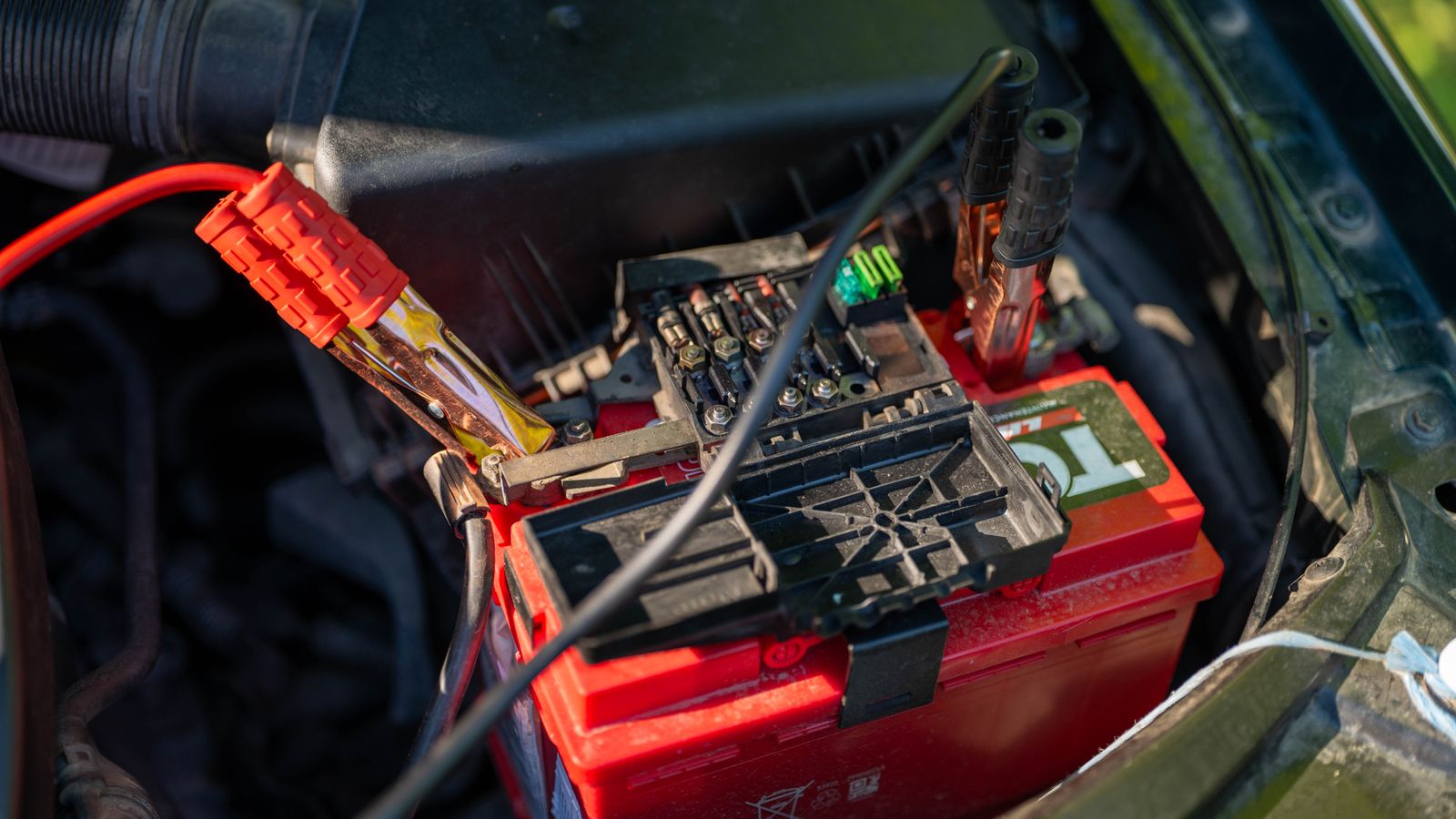
How to Replace Your Own Car Battery Safely
Negative first, positive first — get the order right and it's a 20-minute job.

What Those Fluid Puddles Under Your Car Actually Mean
The color of the drip tells you whether it's nothing or a tow — here's the cheat sheet.
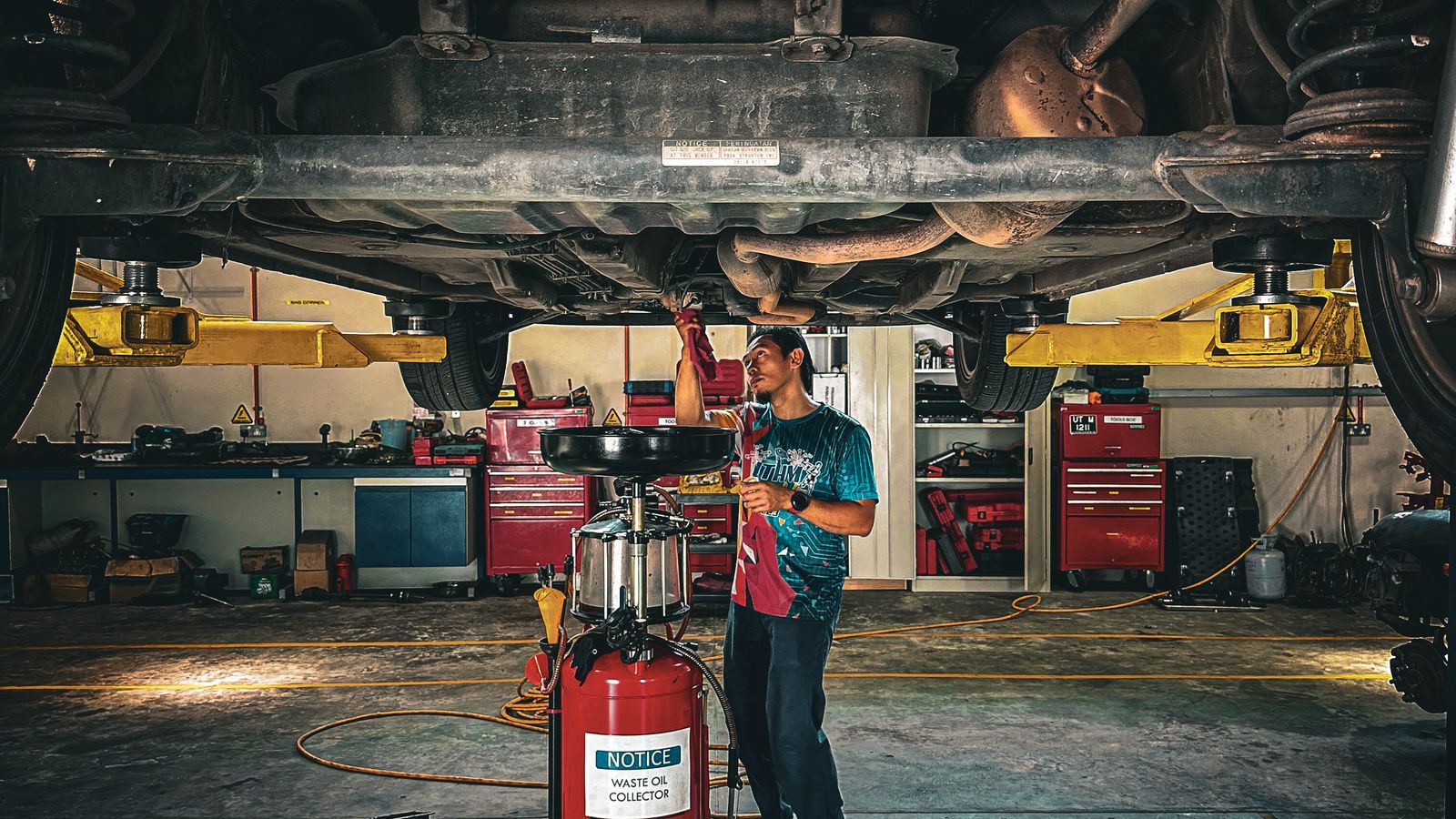
How to Change Your Own Oil (And Actually Save Money Doing It)
An hour in the driveway, the right oil, and one torque you shouldn't guess at.