
When to Replace Your Engine Air Filter (and the Cabin One Everyone Forgets)
Two filters, five minutes each, and one of them is why your AC smells funky.
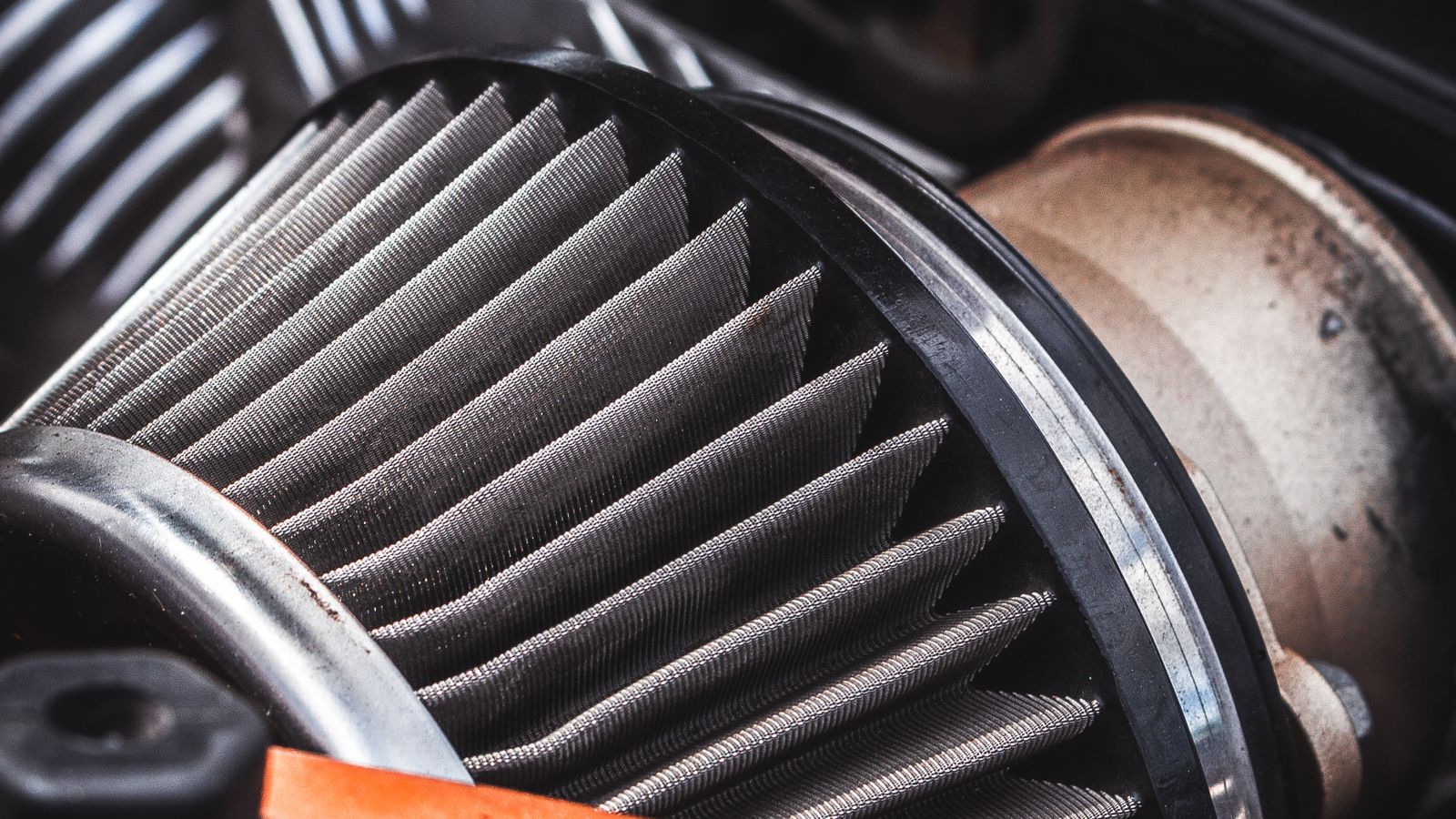
Your car has two completely different air filters doing two completely different jobs, and most people never touch either one — until a shop holds up a dirty filter to justify a marked-up replacement. Both are cheap, both are a five-minute swap with no tools or one screwdriver, and knowing the difference keeps that upsell out of your wallet for good.
One filter protects your engine; the other protects you. The engine air filter keeps grit out of the motor; the cabin air filter cleans the air blowing through your vents. They live in different places, wear out on different schedules, and cause different symptoms when they clog — and both are among the easiest maintenance jobs a car owner can do.
The engine air filter
This one keeps dirt, dust, and bugs out of the engine, which needs a huge volume of clean air to run right. It sits in a black plastic airbox under the hood, usually held shut by a few clips or clamps you can open by hand or with a screwdriver.
- Open the airbox and lift the filter out — note which way it sits so the new one goes back the same way.
- Hold it up to the light. A good filter lets light through the pleats. If it's gray, packed with debris, and you can't see light, it's done.
- Drop in the new one seated flat in its channel, and re-latch the box. That's the whole job.
Check it around every 15,000 to 30,000 miles, sooner if you drive a lot of dusty gravel or dirt roads. A badly clogged engine filter chokes airflow, which can dent both performance and fuel economy — the engine is trying to breathe through a dirty rag.
The cabin air filter — the forgotten one
This filters the outside air before it comes through your dashboard vents, catching pollen, dust, and road grime. It's the one almost nobody knows they have, and it's usually hidden behind the glovebox. On most cars the glovebox pops free with a squeeze of its sides or by releasing a stop, revealing a slide-out filter housing behind it.
A filthy cabin filter is the usual reason the AC smells musty and the airflow from the vents feels weak even on high — the blower is fighting a clogged, sometimes moldy filter. Swapping it restores both the smell and the airflow, and it's a genuinely satisfying five-minute fix. Change it about once a year or every 15,000 miles, more often if you drive in heavy traffic or dusty areas or suffer through allergy season.
Mind the airflow arrow. Both filters have an arrow printed on the frame showing which way the air should flow — down, or toward the cabin, for most cabin filters. Install it backward and it still "works," but it filters poorly and can whistle or restrict airflow. Match the arrow to the direction the old one came out and you can't go wrong.
Why it's worth doing yourself
These are the definition of jobs shops love to bill labor for: a few dollars in parts and a few minutes of work, marked up several times over at a counter. Doing both yourself once a year costs pocket change, takes less time than the drive to the shop, and gives you a look under the hood and behind the dash that catches other small problems early. It's the easiest confidence-builder in DIY car care.
Skip: pricey "performance" or "lifetime reusable" air filters on a normal daily driver. The oiled reusable kind promise big gains that a street car never sees, and if you over-oil them the residue can foul the mass-airflow sensor — an expensive headache. A quality standard filter is all most engines actually want.
The signs each one is overdue
You don't have to track mileage if you know what a clogged filter feels like. A tired engine air filter shows up as sluggish acceleration, a slight drop in fuel economy, and — if it's really packed — a rougher idle or even a check-engine light as the engine struggles to breathe. A neglected cabin air filter announces itself inside the car: weak airflow from the vents even on the highest fan setting, a musty or dusty smell when the AC or heat kicks on, and windows that fog up more than they used to because the system can't move air well. Either symptom is worth a sixty-second check — pull the engine filter and hold it to the light, eyeball the cabin one for a gray, leaf-flecked mat. More often than not, the thing you were about to pay a shop to diagnose is a five-dollar filter you can see is filthy the moment it's out.
When it's more than a filter
If you've put in a fresh cabin filter and the vents still smell musty, the source may be mold in the AC evaporator or a clogged drain rather than the filter itself — worth a deeper clean or a shop visit. And if a new engine filter doesn't restore lost power or mileage, the filter wasn't your real problem, and it's time to look further. But nine times out of ten, these two five-minute swaps are exactly the cheap fix they appear to be.
Keep going
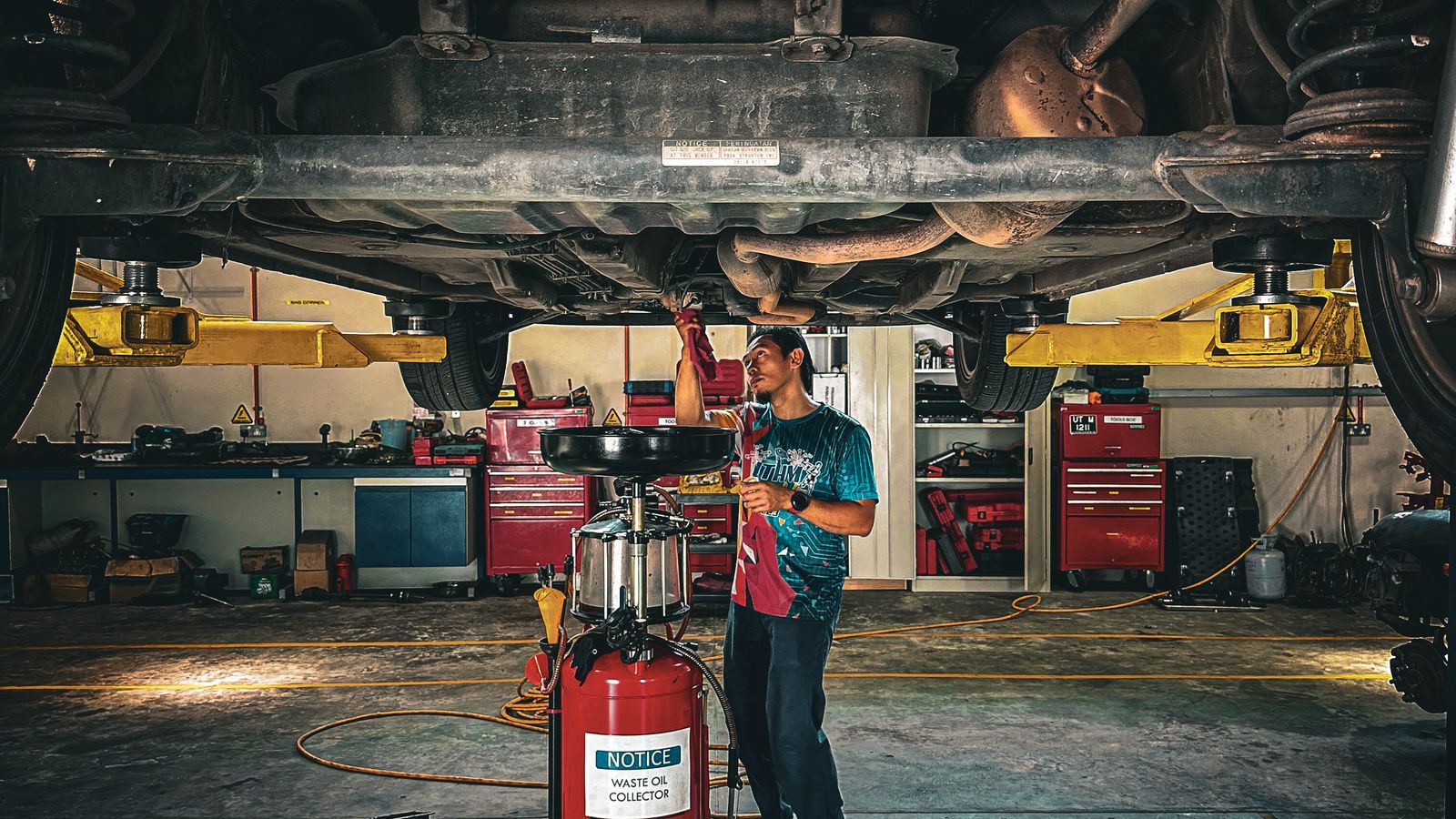
How to Change Your Own Oil (And Actually Save Money Doing It)
An hour in the driveway, the right oil, and one torque you shouldn't guess at.
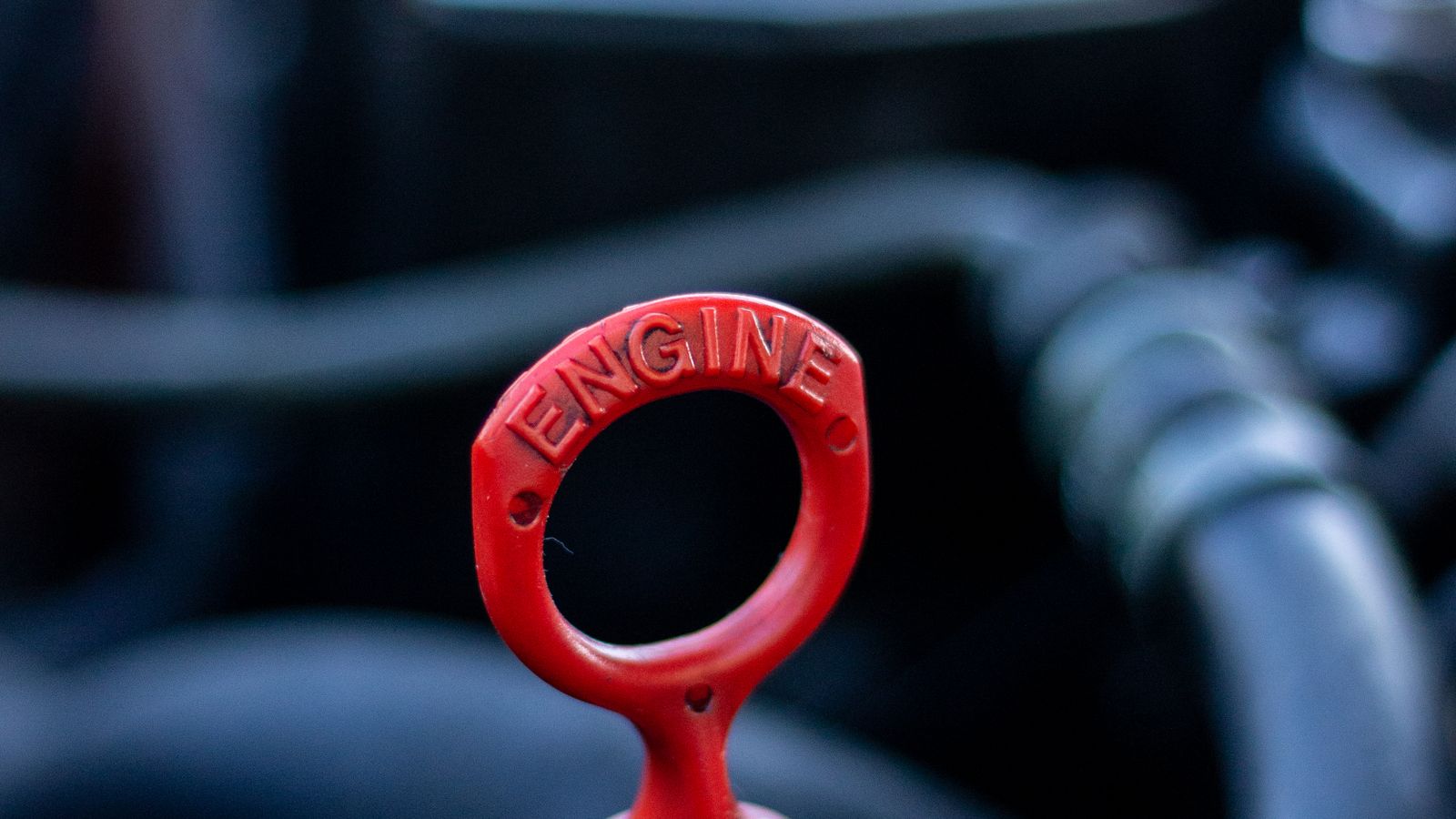
The 5 Fluids in Your Car — and How to Check Them in 10 Minutes
A ten-minute look under the hood catches the problems that strand you.
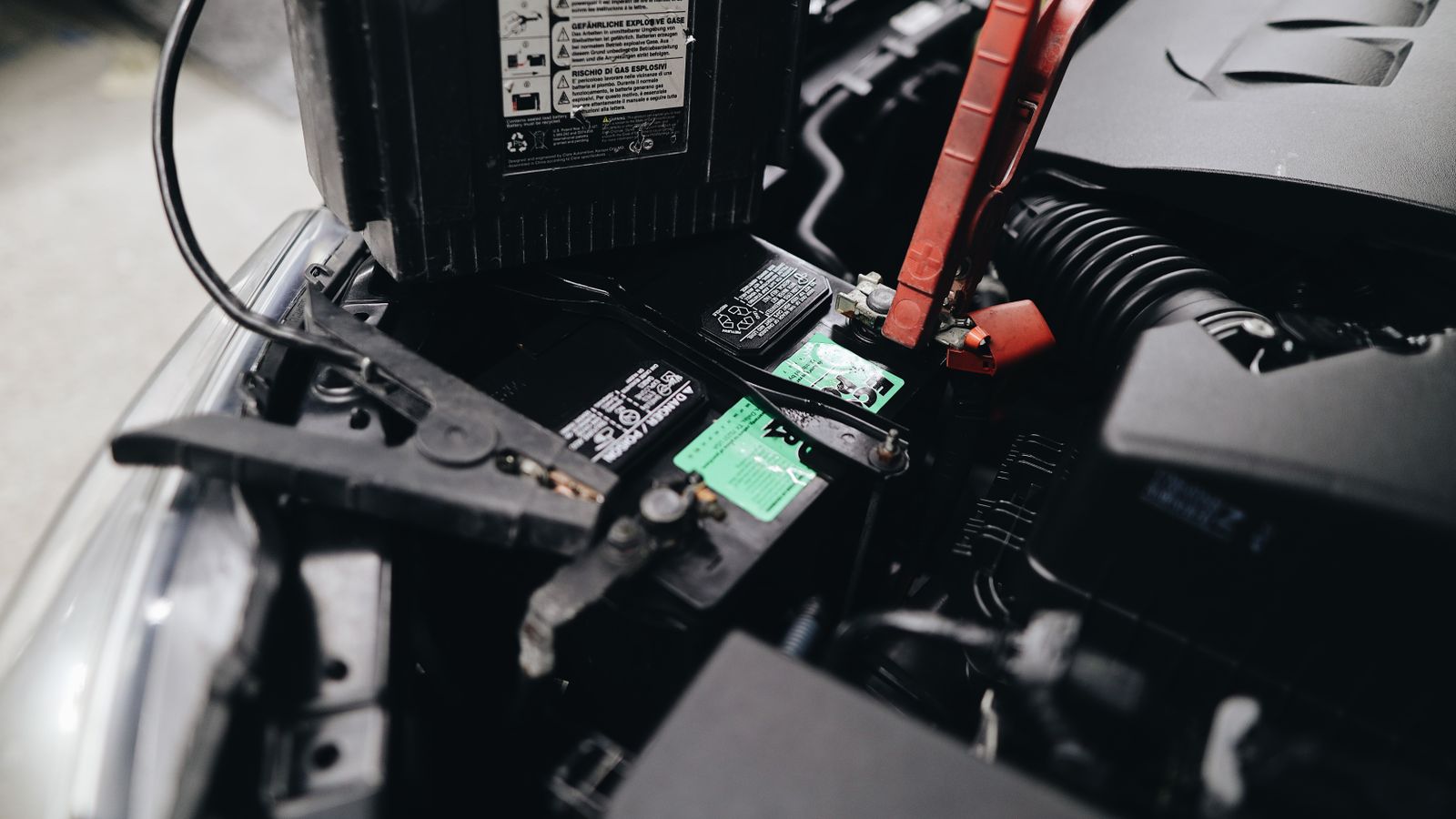
Why Your Car Won't Start: Battery, Starter, or Something Cheaper
What the sound (or silence) when you turn the key tells you — before you tow it anywhere.