
The 5 Fluids in Your Car — and How to Check Them in 10 Minutes
A ten-minute look under the hood catches the problems that strand you.
A surprising share of roadside breakdowns start as a fluid nobody ever checked. Ten minutes under the hood with the engine cold — no tools required — catches the slow leaks and low levels before they leave you stranded on the shoulder. Make it a habit once a month and at every road trip, and you'll head off most of the failures that ruin a day.
Every fluid check is really two checks: level (is it between the marks?) and condition (is it the right color and clean, not burnt, milky, or gritty?). A level that keeps dropping means a leak worth chasing; a fluid that looks or smells wrong means the system it serves needs attention. Learn those two questions and you can read any reservoir under the hood.
The five to check
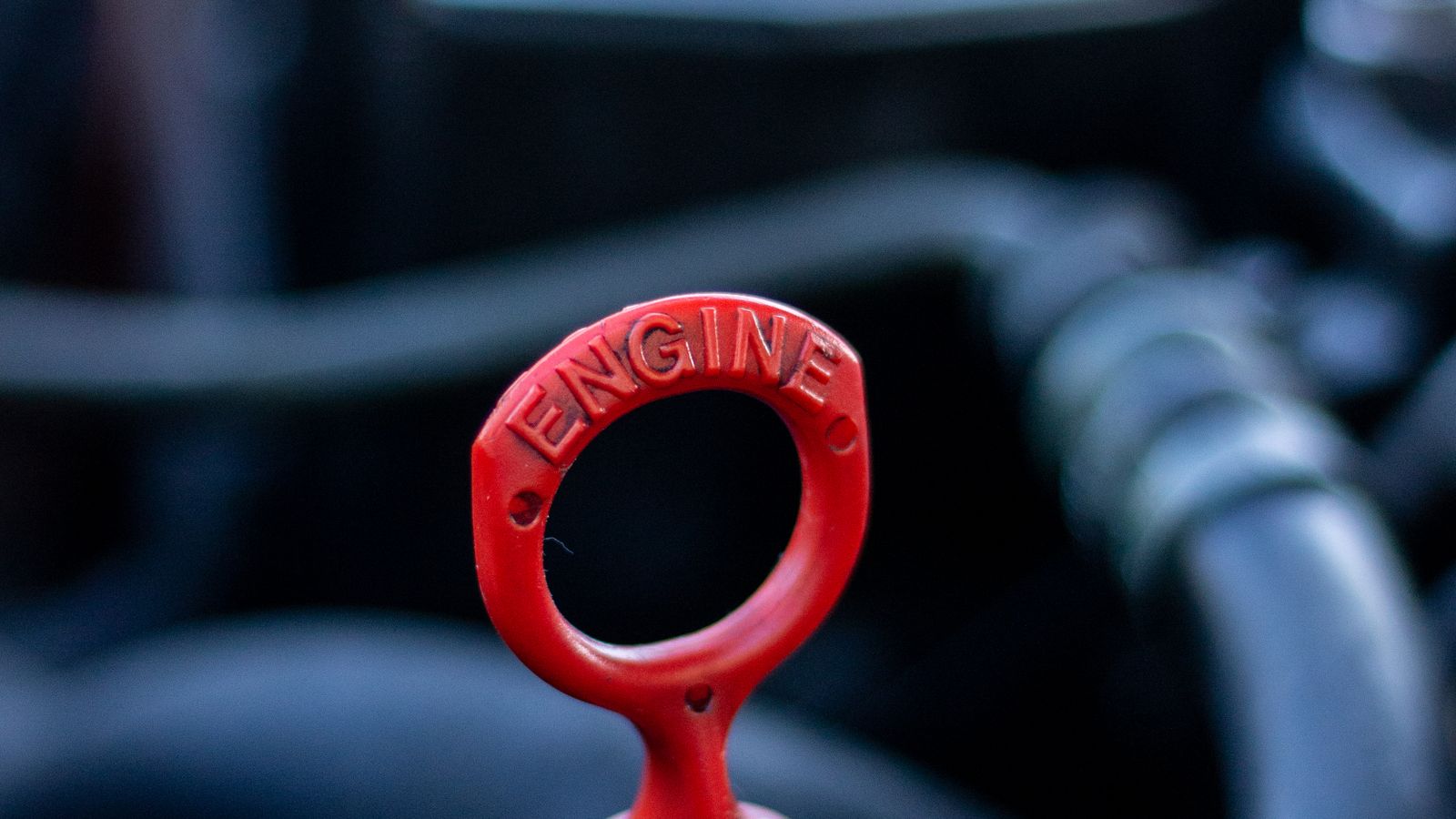
- Engine oil. With the engine cold and the car level, pull the dipstick, wipe it clean, reinsert it fully, and pull it again. The film should sit between the two marks and look amber to light brown. Gritty black is overdue for a change; a milky, coffee-with-cream look can mean coolant getting into the oil — a serious flag.
- Coolant (antifreeze). Check the level in the translucent plastic overflow reservoir against its min/max lines — only when the engine is stone cold. Never crack a hot radiator or reservoir cap; the system is pressurized and can spray scalding coolant. The fluid should be bright and clean, not rusty or full of floaties.
- Brake fluid. A small reservoir sits on the master cylinder near the firewall, with min/max lines you can usually read without opening it. It should be near full and clear-to-amber. Low brake fluid means either worn pads (the fluid drops as calipers extend) or a leak — either way, take it seriously.
- Power steering fluid. If your car has hydraulic steering, there's a small reservoir with a dipstick or lines. Many newer cars use electric power steering and have none — if you can't find one, that's likely why.
- Windshield washer fluid. Not safety-critical, but running dry behind a salt truck on the highway is genuinely dangerous when you can't clear the glass. Top it with actual washer fluid, not plain water, which freezes and doesn't cut grime.
What you're actually looking for
Beyond "is it full," the condition tells a story. Milky oil or coolant points to the two mixing — a head gasket or cooler problem. Burnt-smelling, dark fluid in a system that should be clean means it's cooked and due for service. And any fluid that's visibly lower every time you check is leaking somewhere; a fluid doesn't just vanish. Catching a slow coolant loss now beats catching it as a temperature gauge in the red on the interstate.
Keep a log — even a mental one. Fluids drop so gradually you won't notice a leak from a single glance, but "the coolant was at max last month and it's near min now" jumps out. A grease-pencil mark on the reservoir or a note on your phone turns a vague worry into hard evidence.
Where each low fluid can leave you
These aren't equal in consequence, and knowing the stakes tells you what to fix first. Low oil or coolant can destroy an engine — those are the ones that strand you or cost thousands. Low brake fluid is a safety issue you never drive on. Low power steering makes the wheel heavy and can whine but rarely leaves you dead on the road. Low washer fluid is just misery. Triage in that order.
Skip: guessing at automatic transmission fluid on a sealed "lifetime" transmission. Many modern cars have no transmission dipstick at all and require a specific fill procedure at a set temperature. That one belongs to the manual or a shop — poking at it wrong does more harm than the check ever prevents.
How often to look
Build a simple rhythm and you'll never be caught off guard. Give the oil and coolant a quick look about once a month and before any long road trip — those are the two that can end an engine. Glance at the brake fluid, power steering, and washer whenever you've got the hood up anyway, which the monthly oil check already gives you. And any time a dashboard light comes on, a puddle appears, or the car starts behaving differently — a heavy steering wheel, a soft brake pedal, a temperature needle creeping up — check the relevant fluid first, before assuming something expensive. It's a two-minute habit that turns most breakdowns into a top-off in the driveway instead of a tow from the shoulder. Keep the right fluids on a garage shelf — a jug of the correct coolant mix, a quart of your oil, some washer fluid — so topping off is something you can actually do the moment you spot it low.
When to bring it in
Topping off a low fluid is fine, but topping off the same fluid again next week means you have a leak to find, not just a level to maintain. Milky oil, coolant that keeps disappearing with no puddle (it may be burning internally), or a brake reservoir that won't stay full all warrant a proper look. The ten-minute check is how you catch those early — which is the whole point.
Keep going
How to Change Your Own Oil (And Actually Save Money Doing It)
An hour in the driveway, the right oil, and one torque you shouldn't guess at.
When to Replace Your Engine Air Filter (and the Cabin One Everyone Forgets)
Two filters, five minutes each, and one of them is why your AC smells funky.
Why Your Car Won't Start: Battery, Starter, or Something Cheaper
What the sound (or silence) when you turn the key tells you — before you tow it anywhere.