
The Check Engine Light Is On — Here's What to Do Before You Panic
Solid or blinking changes everything — and a $20 reader tells you the rest.
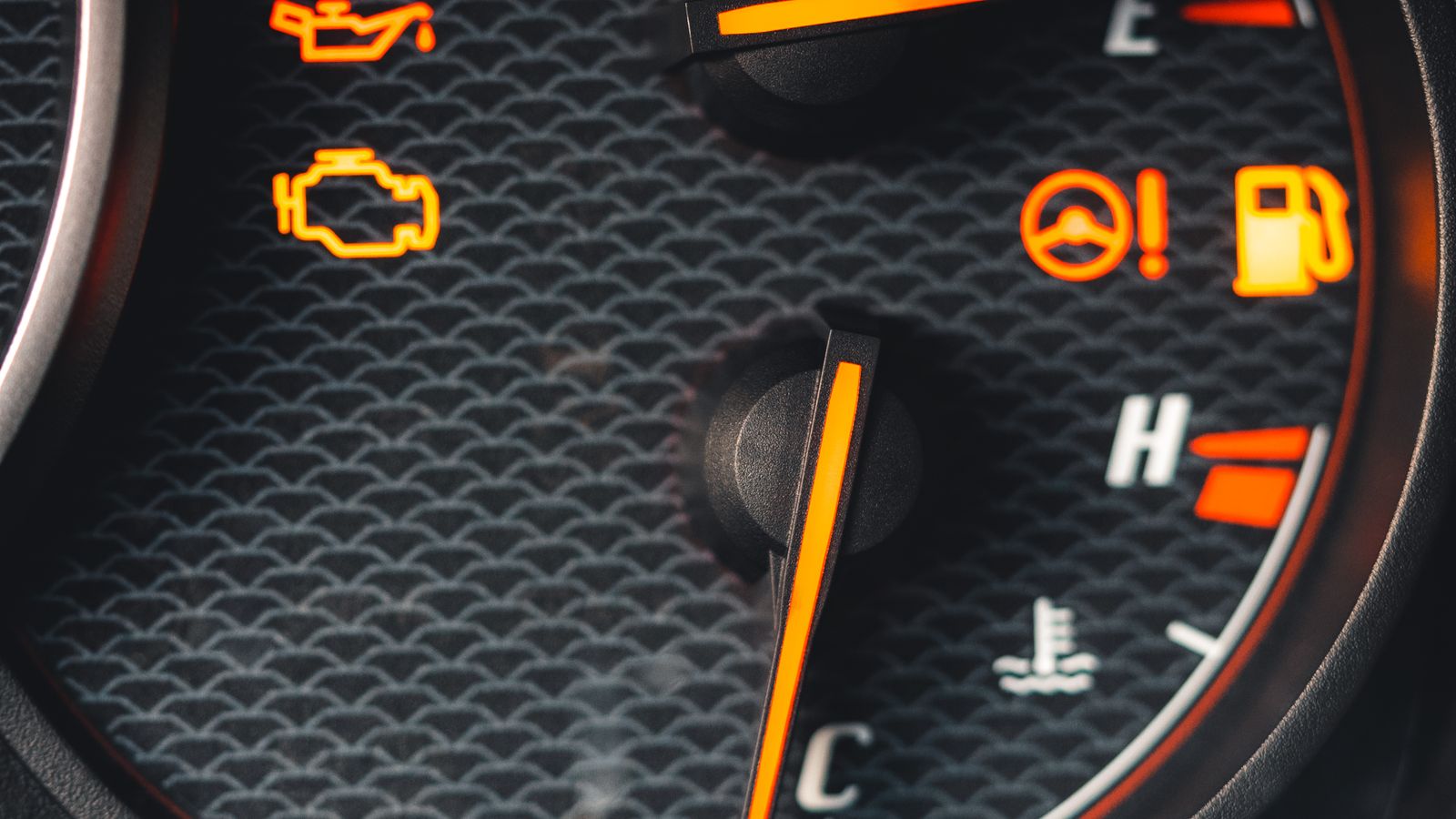
That little amber engine symbol lights up on the dash and your stomach drops, already picturing a four-figure repair bill. Take a breath. A check engine light is information, not a death sentence — it's the car telling you it noticed something and stored a code about it. And the first step to reading that code costs you absolutely nothing.
The check engine light means the car's computer saw a reading outside the normal range and logged a specific trouble code. Your job is two questions, in order: is the light solid or flashing? (that tells you how urgent it is), and what's the code? (that tells you what's wrong). Answer those two and you've turned a mystery into a to-do item.
First: is it solid or flashing?
This is the single most important thing to notice, because the two mean very different things:
- Steady, solid light: the car found a problem worth attention, but it's usually safe to keep driving gently and get it sorted soon. Think days, not minutes.
- Flashing or blinking light: this is serious and immediate — almost always an active misfire dumping raw fuel into the exhaust, which can overheat and destroy your catalytic converter (an expensive part). Ease off the throttle, keep speeds and load low, and get it looked at right away. Don't keep driving it hard.
Read the code — for free
The light is tied to a stored trouble code, and reading it is easy and cheap:
- Get a reader on the port. Every car since 1996 has an OBD-II port, usually under the dash near the steering column. A basic OBD-II scanner runs about $20, or many auto parts stores will read the code for free right in their parking lot.
- Write the code down. It looks like "P0420" or "P0301." Copy it exactly — the numbers matter.
- Look it up. A quick search of that code tells you the system it's flagging and the usual suspects, so you walk into any conversation informed instead of guessing.
A code names the symptom, not always the exact broken part. "P0420 — catalyst efficiency below threshold" often means a failing oxygen sensor, not a dead catalytic converter — the cheaper part frequently sets the scarier-sounding code. Read the code as a starting point for diagnosis, not a shopping list, and you'll avoid throwing money at the wrong part.
The most common culprit is almost free
Before you imagine the worst, check the simplest thing: one of the most frequent causes of a check engine light is a loose, worn, or missing gas cap. The cap seals the fuel system, and a bad seal trips an evaporative-emissions code. Tighten it until it clicks (or replace a cracked one for a few dollars), and the light often clears itself after a few drive cycles. It's worth checking before anything else.
What you can chase yourself
Plenty of check-engine causes are DIY-friendly once you have the code: a gas cap, a dirty air filter, a worn spark plug or ignition coil on a single-cylinder misfire, a loose vacuum hose. These are cheap parts and modest jobs. The code tells you which, and clearing a false alarm yourself feels a lot better than paying a shop to tell you your gas cap was loose.
Don't just clear the code and drive on. Disconnecting the battery or clearing the code with a reader turns the light off, but if the underlying problem is still there it comes right back — and clearing codes right before an emissions test is a well-known way to fail it, since the car needs time to re-run its self-checks.
The codes you'll actually see most
A handful of trouble codes account for a big share of check-engine lights, and knowing them takes the mystery out of the readout:
- P0420 / P0430 — catalyst efficiency: often a failing oxygen sensor (cheap) rather than a dead catalytic converter (expensive). Don't buy the cat until the sensor's ruled out.
- P0300–P0308 — misfires: P0300 is a random misfire; P0301 through P0308 point to a specific cylinder. Usual causes are worn spark plugs, a bad ignition coil, or a fouled injector — often DIY-friendly.
- P0171 / P0174 — system too lean: commonly a vacuum leak, a dirty mass-airflow sensor, or a weak fuel supply.
- P0455 / P0442 — evaporative leak: frequently that loose or cracked gas cap, or a hose in the emissions system.
The pattern is worth noticing: the scary-sounding codes often trace back to a modest part. Read the code, look up the common causes for your specific engine, and check the cheap suspects before you assume the worst — that approach alone saves people from replacing expensive parts that were never broken in the first place.
When to get help
A flashing light, a code pointing at the transmission or catalytic converter, a car that's running rough, stalling, or losing power — those all mean it's time for a shop. But now you'll walk in holding the code and knowing whether it was flashing, which makes you a much harder customer to upsell and a much faster one to help.
Keep going
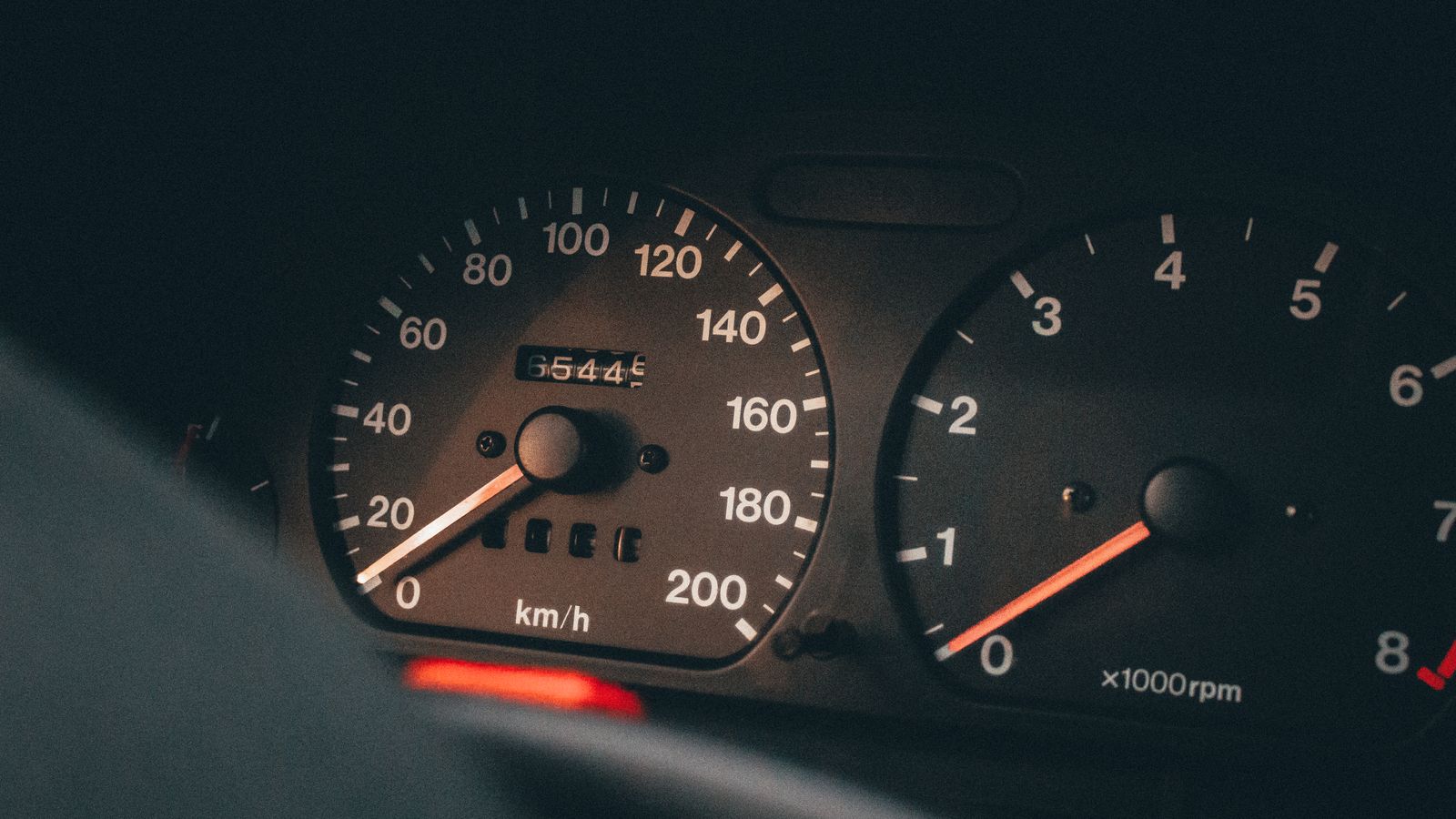
What That Dashboard Light Means: Wait, or Pull Over Now
Color is the tell — one shade means 'soon,' the other means 'stop.'
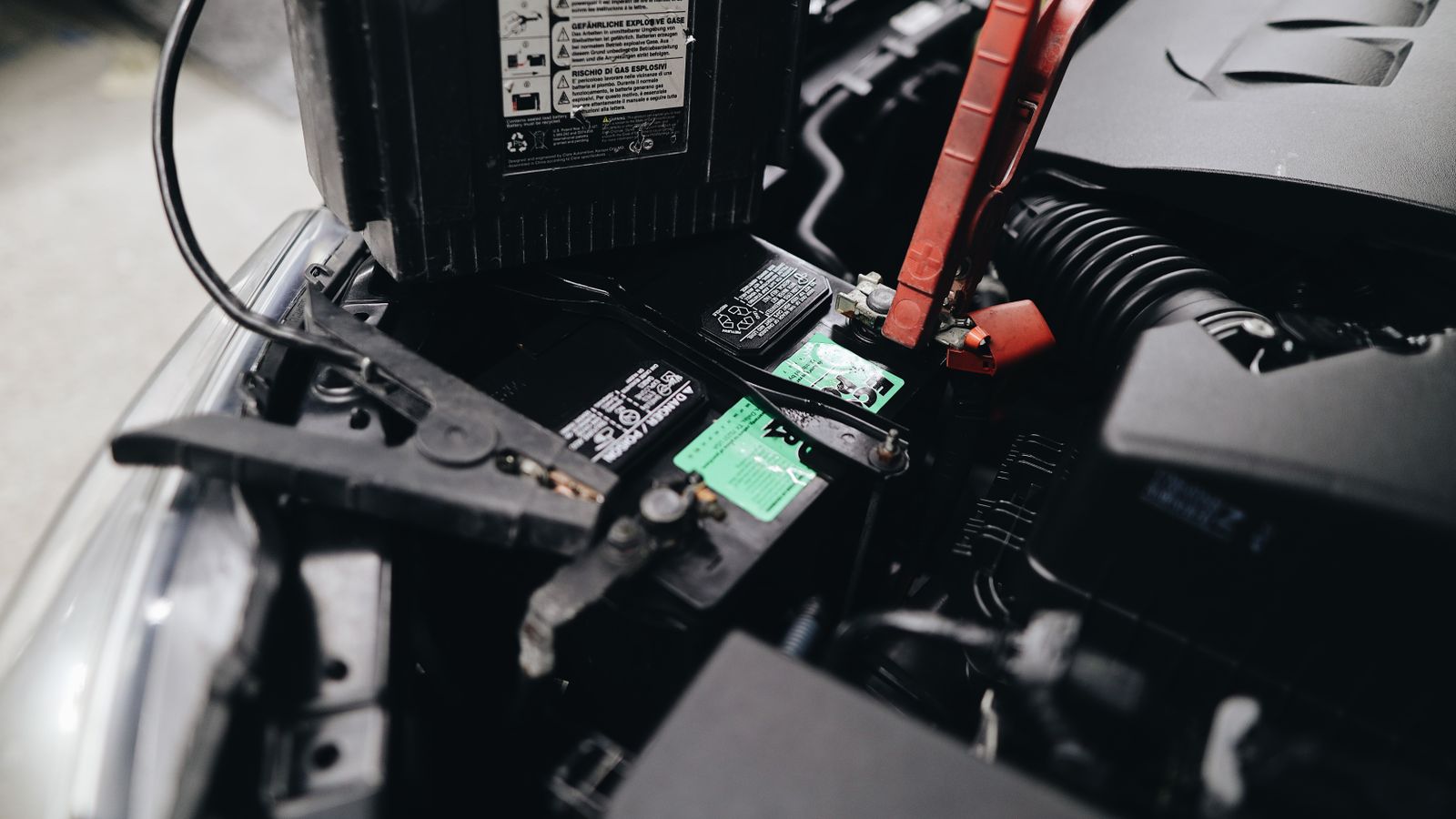
Why Your Car Won't Start: Battery, Starter, or Something Cheaper
What the sound (or silence) when you turn the key tells you — before you tow it anywhere.
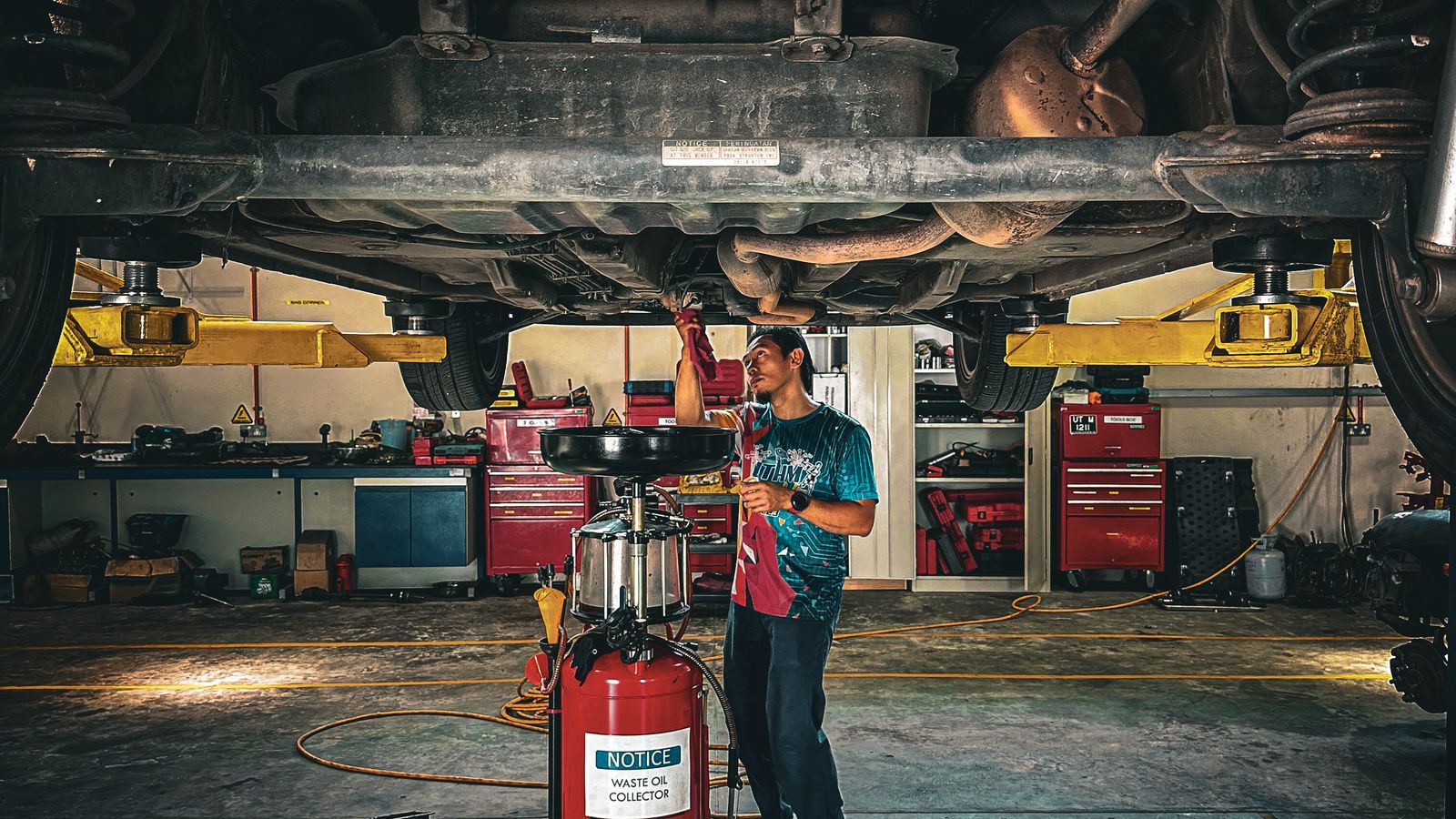
How to Change Your Own Oil (And Actually Save Money Doing It)
An hour in the driveway, the right oil, and one torque you shouldn't guess at.