
What That Dashboard Light Means: Wait, or Pull Over Now
Color is the tell — one shade means 'soon,' the other means 'stop.'
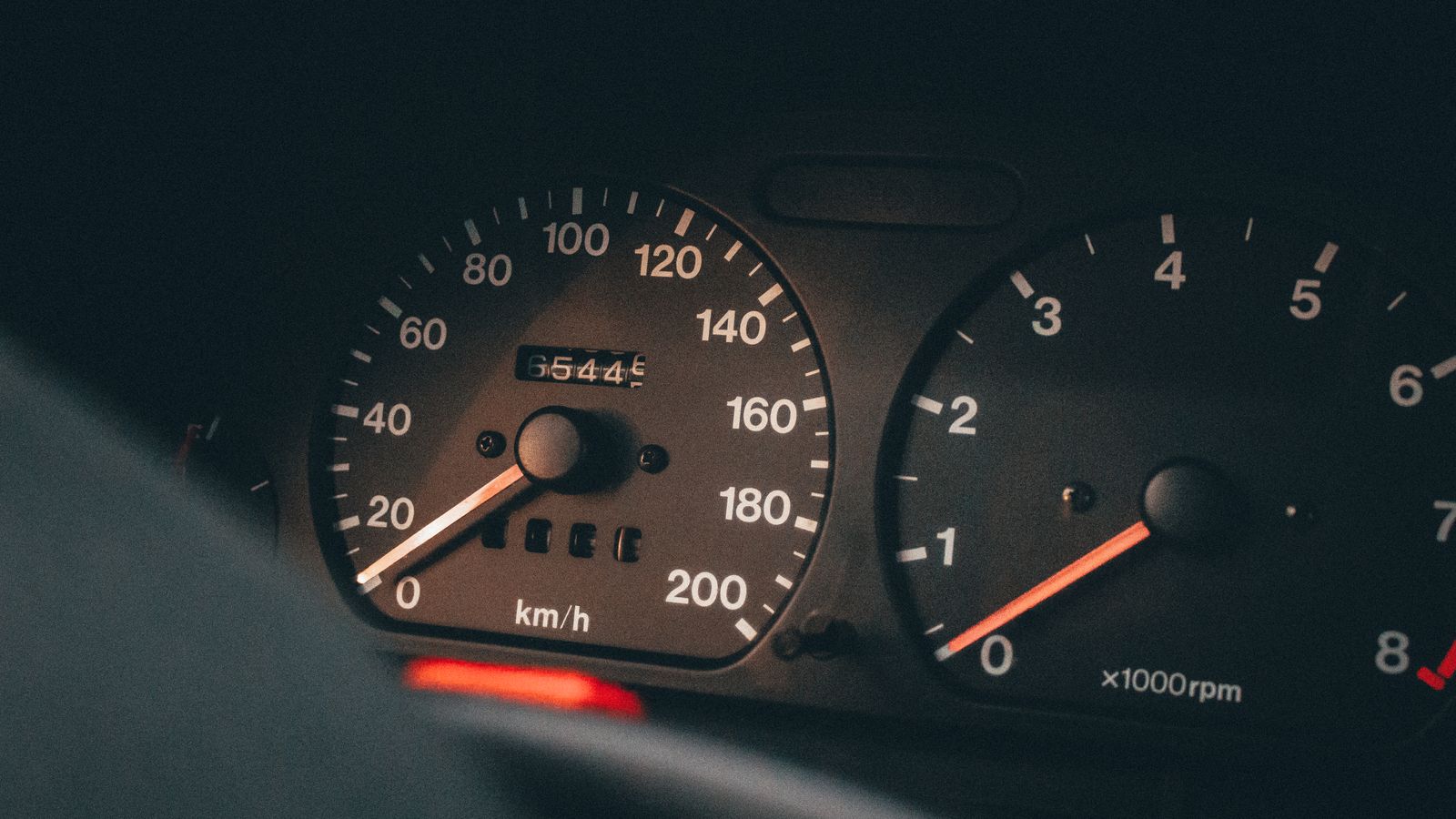
A light you don't recognize pops on the dash, and you're left guessing whether to keep driving to work or coast onto the shoulder and call for help. There's one simple rule that covers the vast majority of it and takes the panic out of the moment: watch the color. Carmakers borrowed the traffic-light idea on purpose, and it tells you almost everything about how urgent a warning is.
Dashboard lights follow traffic-light logic. Red means stop and deal with it now — a serious or immediate problem. Yellow or amber means caution: something needs attention, but you usually have time to get somewhere safe and sort it out. Green and blue are just telling you a system is on. Read the color first and you'll almost always know whether to keep rolling or pull over.
Red = stop and deal with it now
Red lights signal a serious, often immediate risk to safety or to the engine. The ones that matter most:
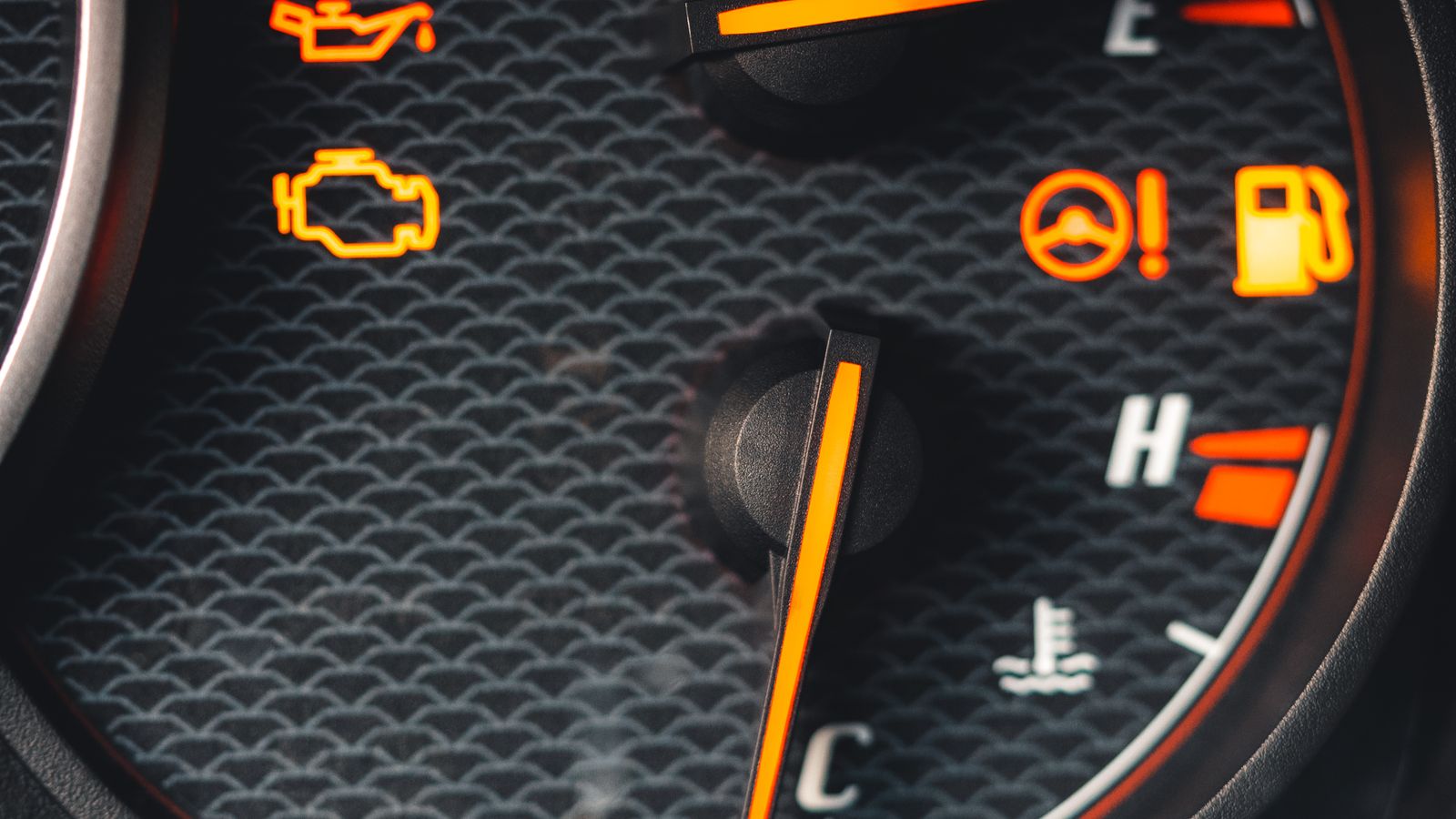
- Oil pressure (the oil-can symbol): pull over and shut the engine off as soon as it's safe. Running with no oil pressure can destroy an engine in minutes — this is the one that turns into a new motor if you ignore it.
- Temperature (a thermometer, often in waves): the engine is overheating. Stop, shut it down, and let it cool completely before you even think about opening a coolant cap. Driving on overheats warps heads and blows gaskets.
- Battery/charging (a battery symbol): the charging system has quit, and the car may be running on battery reserve alone — it will die, possibly soon and possibly in traffic.
- Brake warning: could be as simple as the parking brake left on, or as serious as low brake fluid or a hydraulic fault. Confirm the parking brake's off; if the light stays, treat the brakes as suspect.
Yellow/amber = caution, sort it out soon
Amber lights are heads-ups, not emergencies — you generally have time to finish the drive and address them:
- Check engine: get the code read. A steady light is usually fine to drive gently; a flashing one means an active misfire — ease off and get it seen promptly to protect the catalytic converter.
- TPMS (tire pressure): a tire is low. Check all four with a gauge and fill to the door-jamb spec.
- ABS or traction control: that safety system has flagged a fault and may be offline, but your ordinary brakes almost always still work normally. Get it checked, but you're not stranded.
Know your two most dangerous reds before they ever light up. Memorize the oil-can and the thermometer, because those are the two where the difference between pulling over now and driving another five miles is the difference between a cheap fix and a destroyed engine. Everything else buys you at least a little time; those two don't.
The move, in plain terms
- See red? Find a safe spot and stop as soon as you reasonably can. For oil or temperature, shut the engine off — don't try to "make it home."
- See amber? Stay calm, keep driving normally (unless the check-engine light is flashing), and plan to look it up or get it scanned soon — today or in the next day or two.
- Not sure? Check the owner's manual — every light is pictured and explained there — or note the symbol and look it up when you're stopped.
Never just cover a light with tape. It sounds obvious, but people do it to stop the nagging glow — and then miss the overheating gauge that follows. The light is the cheapest warning you'll ever get; taping over it only guarantees the expensive version shows up later, with no warning at all.
The lights that aren't warnings
Not everything that glows on the dash is a problem — green and blue lights are just status indicators telling you a system is switched on. Green generally means "working as intended": turn signals, cruise control set, headlights or running lights on, eco mode engaged. Blue almost always means your high beams are on — worth noticing so you're not blinding oncoming drivers on a lit street. A steady green or blue light needs nothing from you. Where people get rattled is a light they've simply never seen before, which turns out to be a feature they accidentally switched on — a traction-control-off symbol, a lane-departure icon, a tow/haul mode. When an unfamiliar light appears and the car drives completely normally, the odds are you bumped a button, not broke something. Check the color first (green and blue are friendly), and if it's amber or red, then apply the stop-or-soon rule. The manual's light glossary sorts out the rest in a minute.
When to get help
Any red light that won't clear once you've addressed the obvious cause (parking brake off, coolant topped and cooled) means it's time for a shop or a tow — don't gamble with the engine or the brakes. Amber lights you can usually drive in with, but a check-engine or ABS light that stays on wants a proper scan. Reading the color right just means you'll know which of those two situations you're in before you decide.
Keep going
The Check Engine Light Is On — Here's What to Do Before You Panic
Solid or blinking changes everything — and a $20 reader tells you the rest.
Why Your Car Won't Start: Battery, Starter, or Something Cheaper
What the sound (or silence) when you turn the key tells you — before you tow it anywhere.
How to Change Your Own Oil (And Actually Save Money Doing It)
An hour in the driveway, the right oil, and one torque you shouldn't guess at.