
What Those Fluid Puddles Under Your Car Actually Mean
The color of the drip tells you whether it's nothing or a tow — here's the cheat sheet.
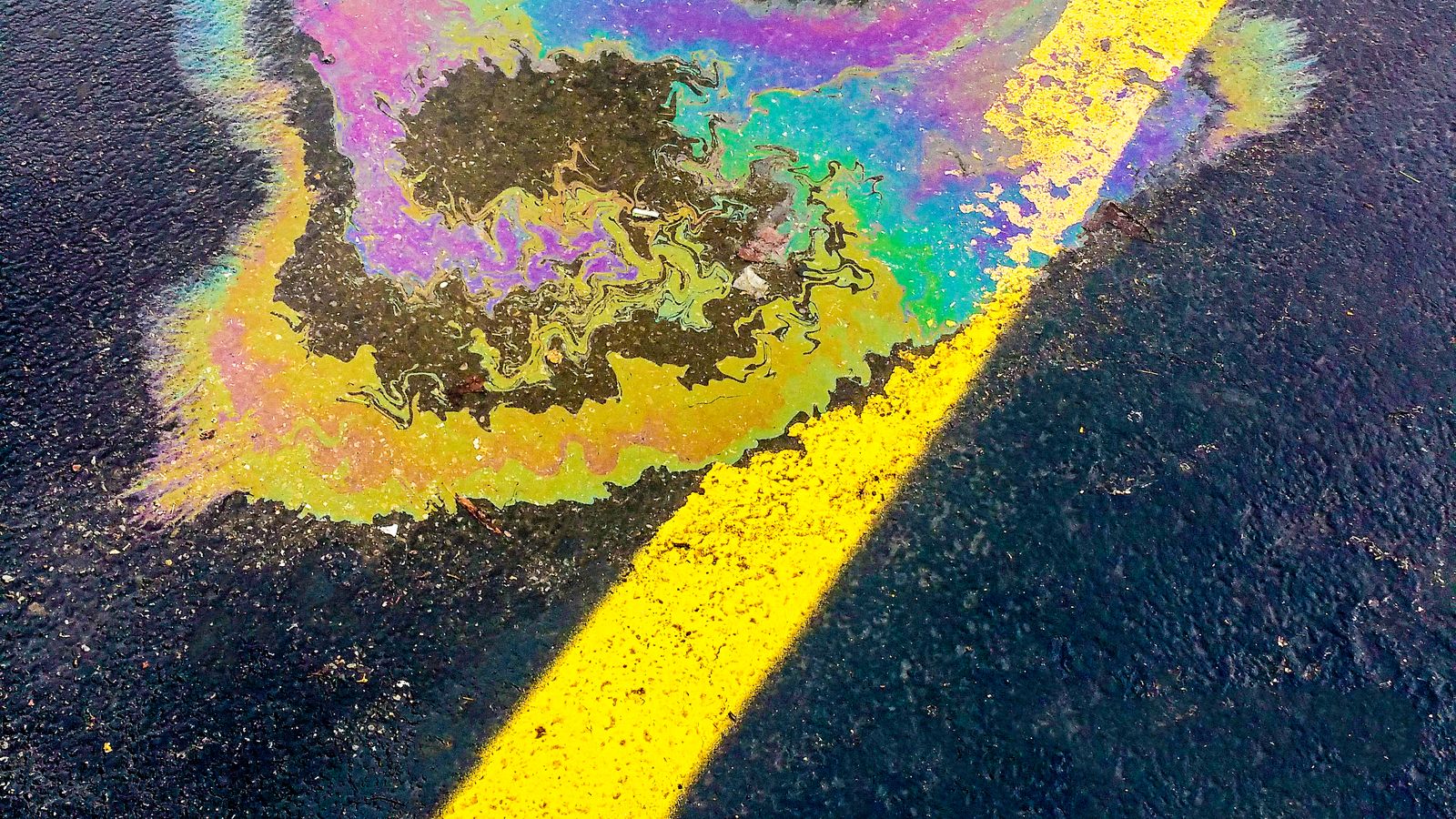
You back out of the garage and there's a fresh spot on the concrete right where your car was sitting. Before the panic sets in, look at the color. Every fluid in your car is dyed a different shade on purpose, so a leak is basically labeling itself — and one of the most common "leaks" is nothing to worry about at all.
Diagnose a leak by color first, then by location. Clear water is almost always harmless AC runoff; the colored, oily fluids are the ones that matter, and where the puddle sits under the car narrows down which system it came from. Match those two clues and you'll know whether to shrug it off or stop driving.
The color cheat sheet
- Clear and watery: almost always just condensation from the air conditioner dripping off on a hot day, typically toward the front-center or passenger side. Completely normal — no smell, no color, no action needed.
- Brown to black and slick: engine oil. A tiny occasional drip is worth watching; a spreading puddle or a spot that grows every day means find the leak before the level gets low.
- Green, orange, or pink and sweet-smelling, slightly slimy: coolant/antifreeze. Don't let it slide — running low leads to overheating, and coolant is sweet-tasting and highly toxic to pets and children, so clean up spills.
- Reddish, or brown-red and oily: transmission fluid (usually toward the middle) or power steering fluid (toward the front). Don't ignore a transmission leak — that repair gets expensive fast, and low fluid can damage the transmission.
- Clear-to-amber and oily, near a wheel or behind the engine: possibly brake fluid. Treat any suspected brake leak as urgent — this is the one fluid you never drive on if it's low.
How to pin it down
- Lay down cardboard. Slide a clean piece of cardboard under the car overnight to catch the drip. In the morning you'll see the color clearly and, just as usefully, exactly where under the car it's falling.
- Note the position. Front-center, mid-car, or beside a wheel all point in different directions — engine, transmission, or brakes.
- Check the levels. Once you suspect a fluid, check that reservoir or dipstick. A confirmed low level plus a matching-colored puddle tells you the story.
Fresh spot or old stain? Before you worry, make sure the puddle is actually yours and actually new. A parking spot picks up drips from every car that used it, and an old oil stain doesn't mean an active leak. Park over clean cardboard for a night to know whether your car is leaking right now, today.
How much, and how fast?
The size and speed of a leak matter as much as the color. A dime-sized spot of oil once a week is a keep-an-eye-on-it; a fresh puddle every single morning means the level is dropping fast enough to matter soon. With coolant especially, a fast loss paired with a climbing temperature gauge is a stop-driving situation. Watching whether a leak is stable or growing turns "should I worry?" into a clear answer.
When to stop driving: any suspected brake fluid leak (your brakes can fade or fail), or a fast coolant loss with the temperature gauge climbing (an overheating engine can be destroyed in minutes). In both cases, don't risk the drive — get it towed. Clear AC water under the car, on the other hand, means nothing's wrong; go enjoy your day.
The drips that look scary but aren't
Not every spot means trouble. Besides AC condensation (that clear water puddle on hot days), a few others are normal or minor: a little clear water dripping from the exhaust tailpipe is just condensation burning off as the engine warms — a sign of good combustion, not a problem. A faint washer-fluid trail (blue or green, watery, smelling of cleaner) after you've used the sprayers is nothing. And a brand-new or recently serviced car can drip a bit of fluid that was spilled during the work, which stops after a day or two.
Clean it up — and clean up after
Once you've identified and fixed a leak, clean the residue off the engine and the driveway — partly so you can tell if it starts leaking again (a fresh spot on clean concrete is obvious), and partly because coolant is genuinely dangerous. Its sweet smell and taste attract pets and wildlife, and even a small amount is toxic, so never leave a coolant puddle where an animal can reach it. Cat litter or a dedicated absorbent soaks oil and coolant off concrete; scrub the rest with a degreaser so your driveway isn't a permanent map of every problem the car ever had.
When to get help
A minor oil seep or a small power-steering weep you can monitor and plan to fix. But transmission leaks, brake leaks, and coolant losses you can't find deserve a proper look — the systems are either expensive (transmission) or safety-critical (brakes, overheating). Knowing the color before you call means you can describe it accurately, which gets you a faster, straighter answer and a lot less guesswork on the bill.
Keep going
Why Your Car Won't Start: Battery, Starter, or Something Cheaper
What the sound (or silence) when you turn the key tells you — before you tow it anywhere.
How to Replace Your Own Car Battery Safely
Negative first, positive first — get the order right and it's a 20-minute job.
How to Change Your Own Oil (And Actually Save Money Doing It)
An hour in the driveway, the right oil, and one torque you shouldn't guess at.