
How to Replace Your Own Car Battery Safely
Negative first, positive first — get the order right and it's a 20-minute job.
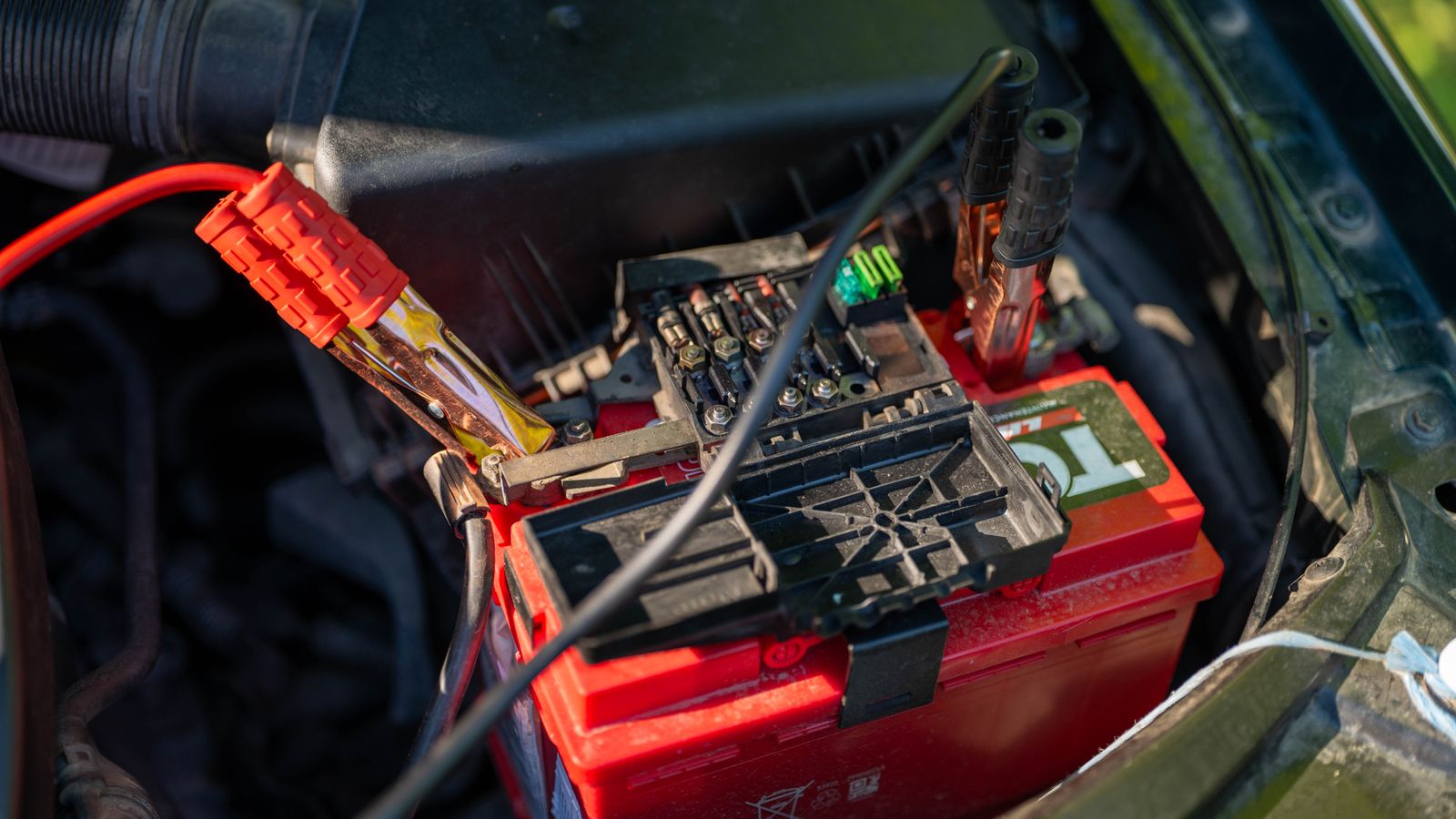
A new battery at the shop comes with a labor charge tacked onto what is honestly a twenty-minute driveway job. The only thing that makes it feel intimidating is the order you connect the cables — and once you understand why the order matters, the rest is just careful wrenching and lifting something heavy without dropping it.
There's one rule that carries this whole job: disconnect negative first, connect positive last. The negative terminal is grounded to the car's whole metal body, so keeping it disconnected while you work means your wrench can't complete a circuit and throw sparks against the frame. Get the order right and a battery swap is safe and simple.
Why the cable order matters
The battery's negative post connects to the car's chassis — the entire body is "negative." If your wrench touches both the positive post and any metal part of the car at the same time, you create a dead short: a big spark, a possible burn, and a damaged tool. By disconnecting the negative (ground) cable first, you break that path, so even if you brush the positive terminal with a wrench, nothing completes the circuit. On reassembly you reverse it — positive first, negative last — for the same reason.
The steps
- Engine off, key out, everything shut off. Pop the hood and locate the battery and its two terminals, marked + and −.
- Disconnect negative (−) first. Loosen the clamp nut, work the cable off the post, and tuck it aside where it can't spring back onto the terminal.
- Disconnect positive (+). Same thing, and keep that cable clear of any metal.
- Remove the hold-down bracket and lift the old battery straight up and out. They're deceptively heavy — often 40-plus pounds — and they hold acid, so keep it upright and lift with your legs.
- Clean the tray and clamps. Scrub any corrosion off the cable clamps and battery tray with a baking-soda-and-water paste and a wire brush, then dry them. A clean connection is half of a reliable start.
- Set the new battery in, matching the post positions, and secure the hold-down bracket so it can't shift or vibrate.
- Connect positive (+) first, then negative (−) last. Tighten each clamp until it's snug and won't wiggle — firm, not stripped.
A little grease goes a long way. After the clamps are tight, wipe a thin film of dielectric grease or dab a bit of terminal-protectant on the posts. It keeps the corrosion — that white or blue crust — from creeping back and choking the connection a year from now.
Heads up: the electronics reset
On many modern cars, cutting battery power resets the clock and radio presets, and some vehicles need a brief "relearn" period where the transmission or idle feels slightly off for a few miles until the computer re-adapts. It's minor and normal, but don't let it startle you. If your car has a saved-radio security code, dig it out of the manual or glovebox before you start so you're not locked out of the stereo.
Handle the old battery with respect. It's full of acid and lead — keep it upright, don't set it on its side in the trunk, and take it straight to the auto parts store. They recycle it and usually credit you a small "core" refund, so bringing it back actually pays a few dollars. Never toss a battery in the trash.
Buy the right battery in the first place
A battery swap only pays off if you put in the correct battery, and three numbers decide that. First, the group size — a standard code (like 24F, 35, or 47/H5) that sets the physical dimensions and terminal layout so it actually fits the tray and the cables reach. Second, the cold cranking amps (CCA), which measure starting power in the cold; match or exceed your car's spec, and lean toward the higher end if you live where winters bite. Third, the battery type: many newer cars — especially those with stop-start systems — require an AGM battery, not a standard flooded one, and dropping in the cheaper flooded type can shorten its life or upset the charging system.
You'll find the group size and CCA in the owner's manual or stamped on the old battery, and any parts store looks it up by your year, make, and model. Buy the freshest one they have — batteries carry a manufacture date code, and one that's sat on a shelf for a year has already lost some life before it reaches your car. A slightly higher-CCA battery of the right group size is a fine upgrade; a smaller or lower-rated one to save a few dollars is a false economy that leaves you cranking slow on the first cold morning.
When to pause
If the terminals or cable ends are badly corroded, cracked, or crumbling, replace or repair the cables too — a shiny new battery bolted to crusty cables still won't start reliably, and you'll be back under the hood chasing a "bad battery" that was never the problem. And if the new battery goes dead again within days, the issue isn't the battery at all: it's the alternator not charging or something draining the car while it sits, and that's the next thing to test.
Keep going
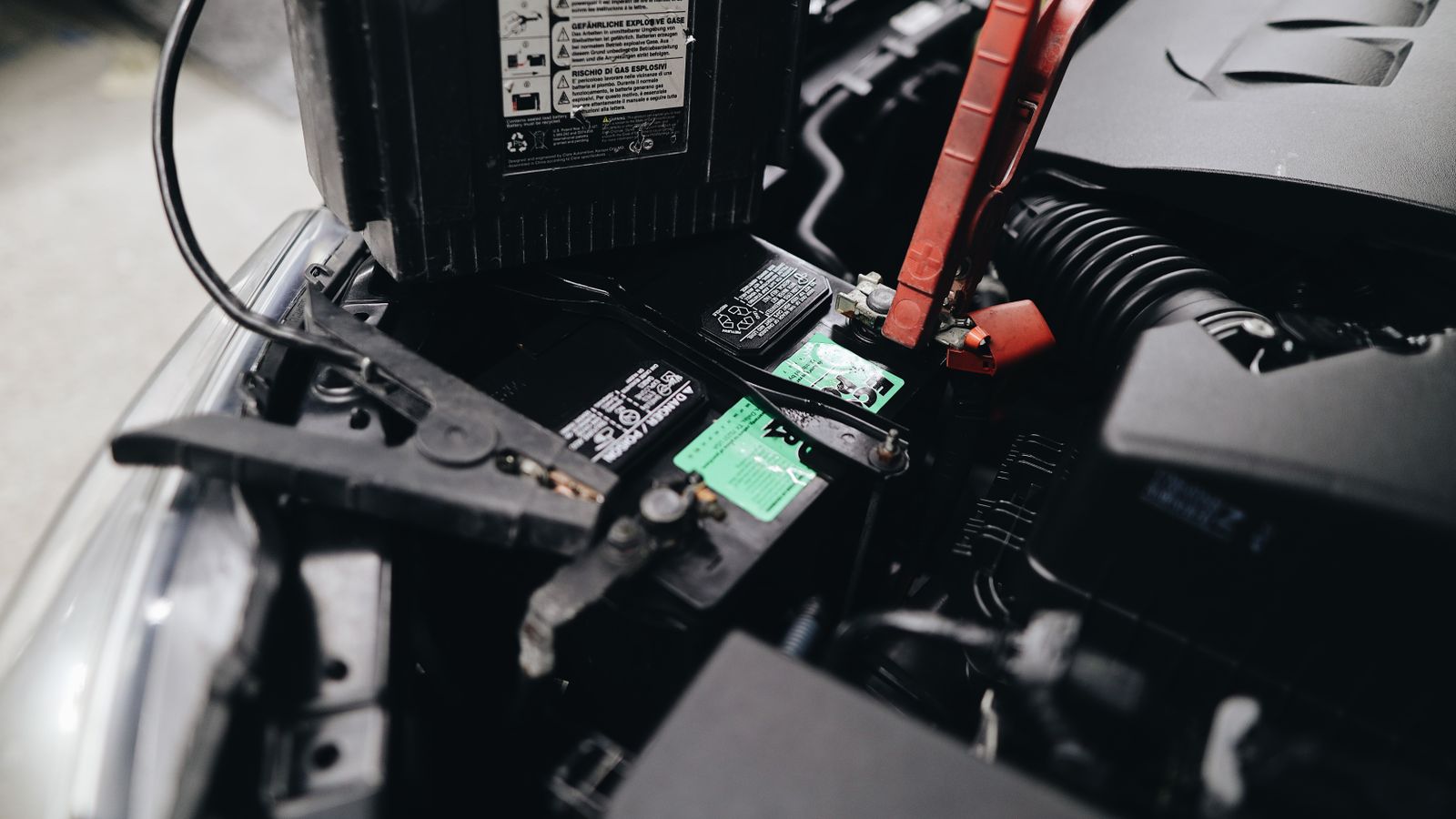
Why Your Car Won't Start: Battery, Starter, or Something Cheaper
What the sound (or silence) when you turn the key tells you — before you tow it anywhere.

What Those Fluid Puddles Under Your Car Actually Mean
The color of the drip tells you whether it's nothing or a tow — here's the cheat sheet.
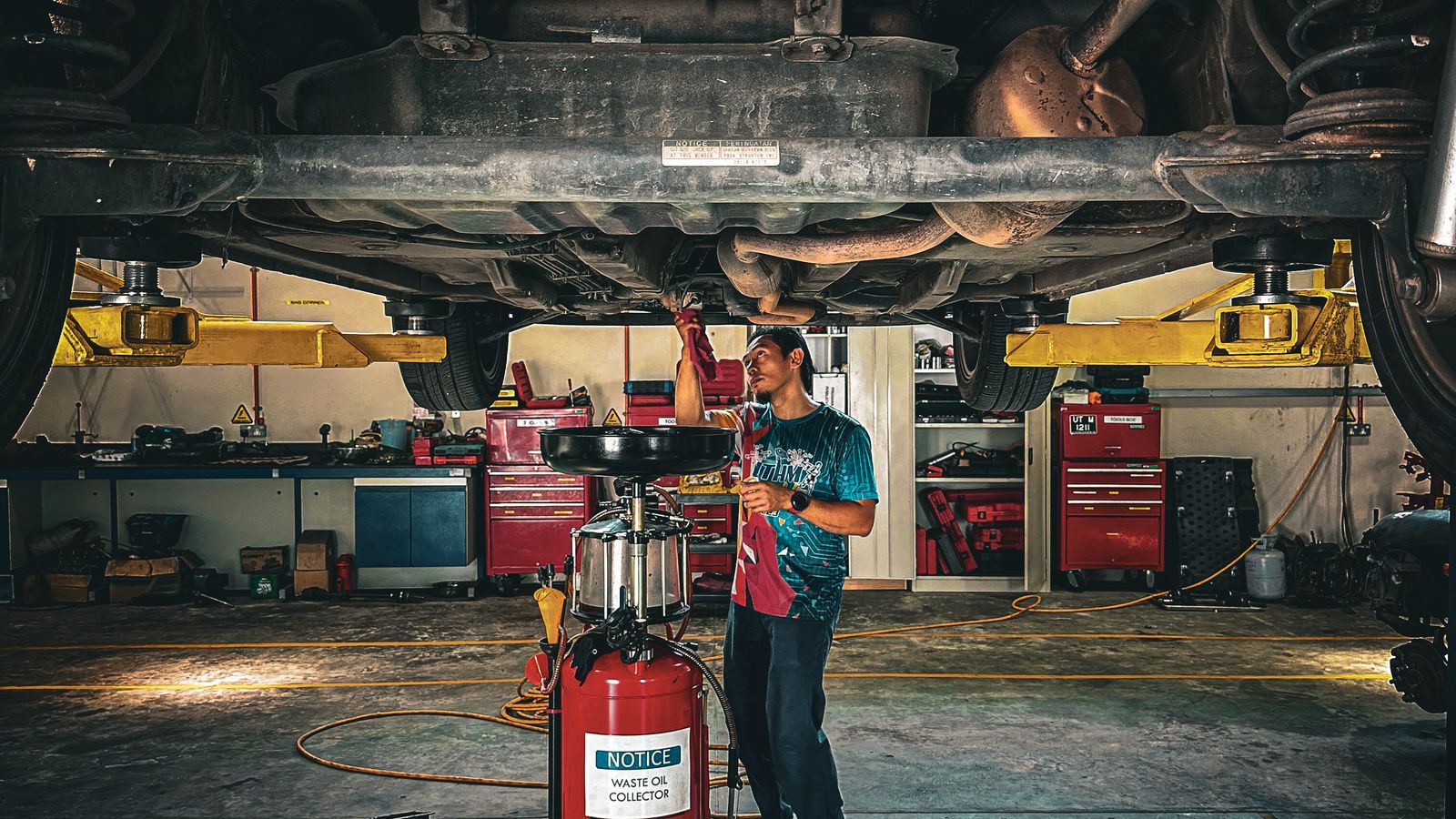
How to Change Your Own Oil (And Actually Save Money Doing It)
An hour in the driveway, the right oil, and one torque you shouldn't guess at.