
Fix Cloudy, Yellow Headlights in an Afternoon (No New Parts)
That foggy haze is a thin oxidized layer — sand it off, seal it, and they look new.
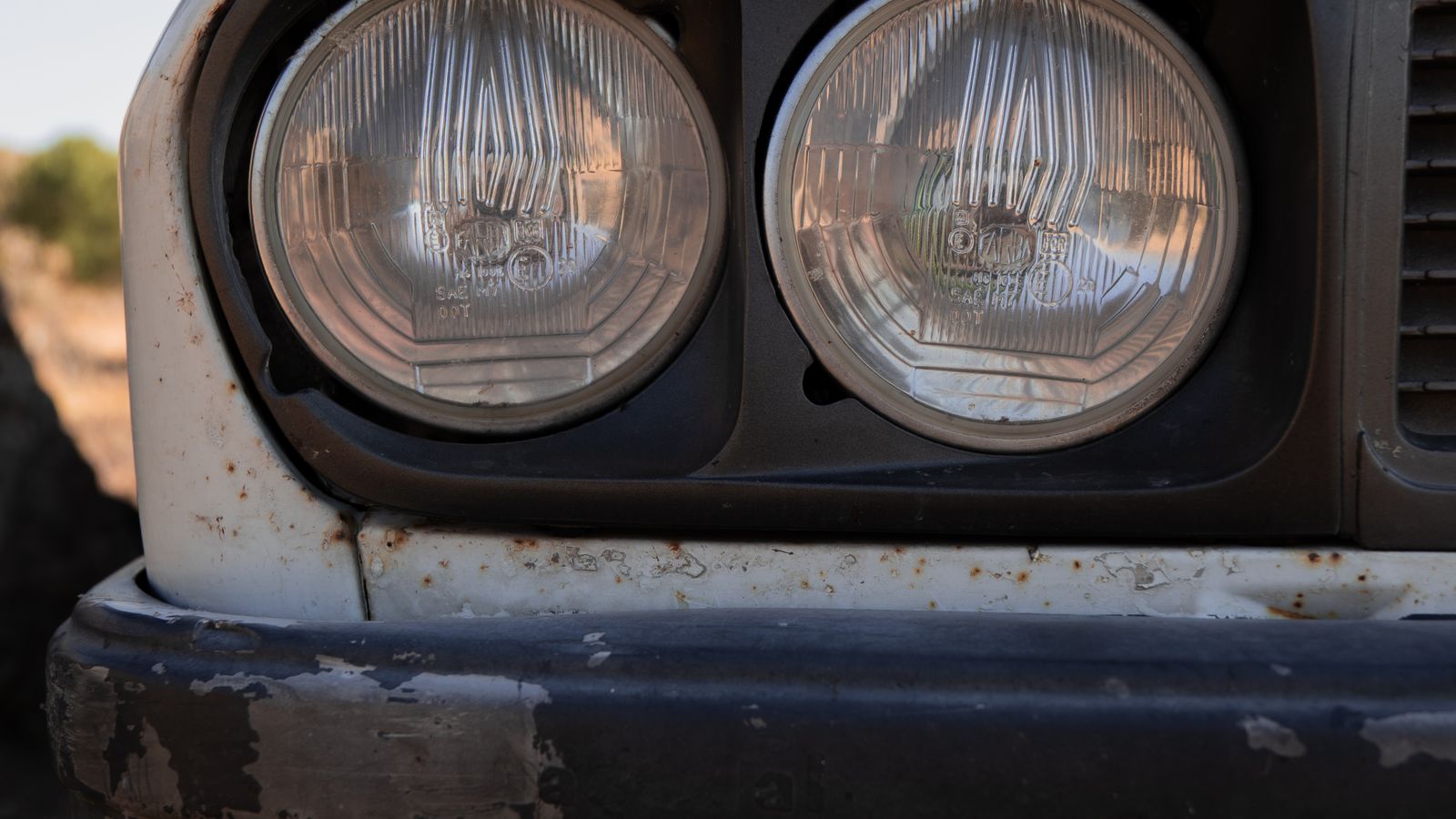
Yellowed, foggy headlights make an otherwise good car look tired and neglected — and they cut your actual nighttime visibility far more than most people realize, scattering the light before it reaches the road. Here's the reassuring part: the lenses aren't ruined and you don't need new ones. That haze is a thin layer of sun-damaged plastic sitting right on the surface, and you can take it off in an afternoon for the price of a small kit.
Headlight restoration is simple once you know what you're fighting: remove the damaged outer layer of plastic, then seal the fresh surface underneath against UV. The sanding and polishing make them clear again; the sealing is what makes it last. Skip the seal and you'll be doing this again by next summer — do it and the fix holds for years.
What's actually happening to them
Modern headlights are made of clear polycarbonate plastic, not glass, with a thin factory UV-protective coating on the outside. Years of sunlight break that coating down and oxidize the plastic beneath it, leaving the cloudy, yellow film you see. Because the damage is only on the surface, restoring them means abrading away that spent coating and oxidized layer, polishing the plastic back to clarity, and applying a fresh protective layer to replace the one the sun destroyed.
The method
- Clean and tape off the paint. Wash the lenses, then run painter's tape around each headlight to protect the surrounding paint and trim — wet-sanding will chew up bodywork instantly if you slip, so don't skimp on the tape.
- Wet-sand through the grits. Working with water to keep things lubricated, sand the lens with progressively finer sandpaper (a restoration kit includes the grits and walks you through the order, typically something like 400 up to 2000+). It will look worse partway through — dull, hazy, uniformly scratched. That's exactly right; you're leveling the damage.
- Polish it clear. Follow with the polishing compound (by hand or with a drill attachment) to buff out the fine sanding marks and bring the lens back to transparency. This is the satisfying step where it suddenly looks new.
- Seal it — the step that matters most. Apply the UV sealant from the kit (or a quality UV-blocking clear coat). This locks in the result and replaces the protection you sanded away. Let it cure per the instructions before you drive.
The sealant is the whole game. A freshly sanded and polished lens is bare, unprotected plastic — even clearer than stock, and even more vulnerable to the sun. Without a UV seal it re-oxidizes fast, which is exactly why so many DIY jobs (and cheap shop jobs) fog right back up within months. Spend the extra ten minutes and money on a real sealant and the difference is years, not weeks.
The honest catch
The single reason headlight restorations fail is skipping or skimping on that final seal. Sand, polish, and seal properly and the clarity holds for a couple of years or more before you might touch them up. Sand and polish but leave the plastic bare, and the sun undoes your afternoon by the next warm season. If a kit doesn't include a real UV sealant — just polish — buy the sealant separately. It's the difference between a lasting fix and a temporary one.
Skip: the toothpaste "hack" you've seen online. The mild abrasive in toothpaste can buff off a little surface haze for a photo, but it doesn't remove the oxidized layer and it seals nothing — you'll be back to yellow in a few weeks. It's a party trick, not a repair.
Make the fix last longer
Once your lenses are clear and sealed, a little upkeep stretches the result for years. The enemy is UV, so anything that keeps sun off the plastic helps: park in the shade or a garage when you can, and if the car lives outside, a quick coat of wax or UV-protectant on the lenses every few months adds a sacrificial layer over the sealant. Wash the headlights when you wash the car — road film and bug residue bake on and dull them faster than you'd think. And the first time you notice the very start of haze returning, hit them with a light polish and a fresh coat of sealant right away; catching it early means a ten-minute touch-up instead of a full sand-and-seal afternoon all over again.
It also pays to do both headlights even if only one looks bad — the other is the same age and the same sun hit it, so it's not far behind. Doing the pair at once means they match now and they'll both stay clear together, instead of you back out here in three months doing the second one.
When to replace instead
Restoration fixes surface oxidation, which is the vast majority of cloudy headlights. But if a lens is cracked, has moisture trapped inside from a failed seal around the housing, or is hazed on the inside surface, sanding the outside won't help — that's a housing to replace. For ordinary sun-yellowed lenses, though, an afternoon and a cheap kit genuinely make them look new and put real light back on the road.
Keep going
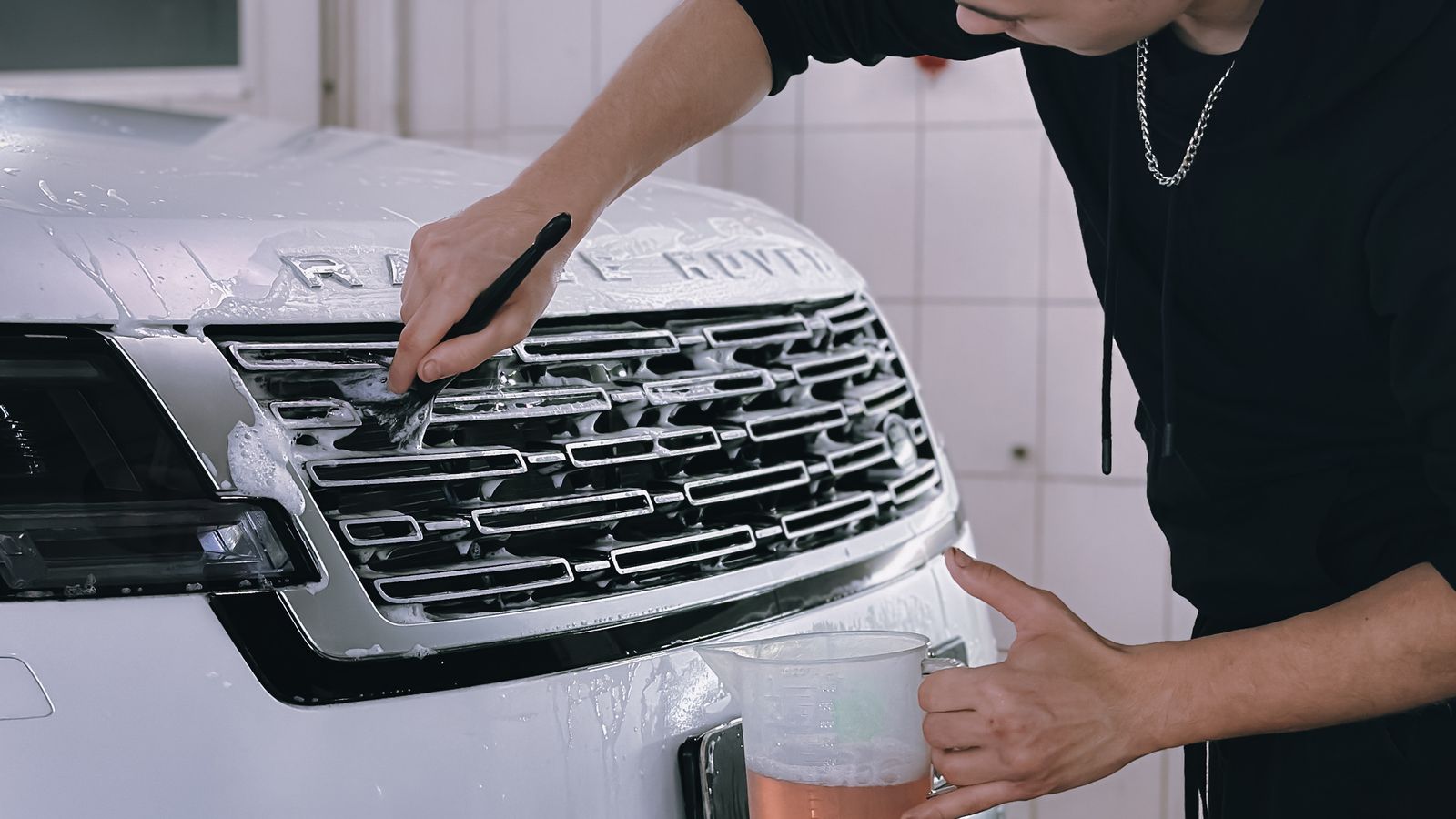
How to Wash Your Car Without Scratching the Paint (The Two-Bucket Method)
Those swirl marks in the sun are wash-induced — here's how to stop making them.
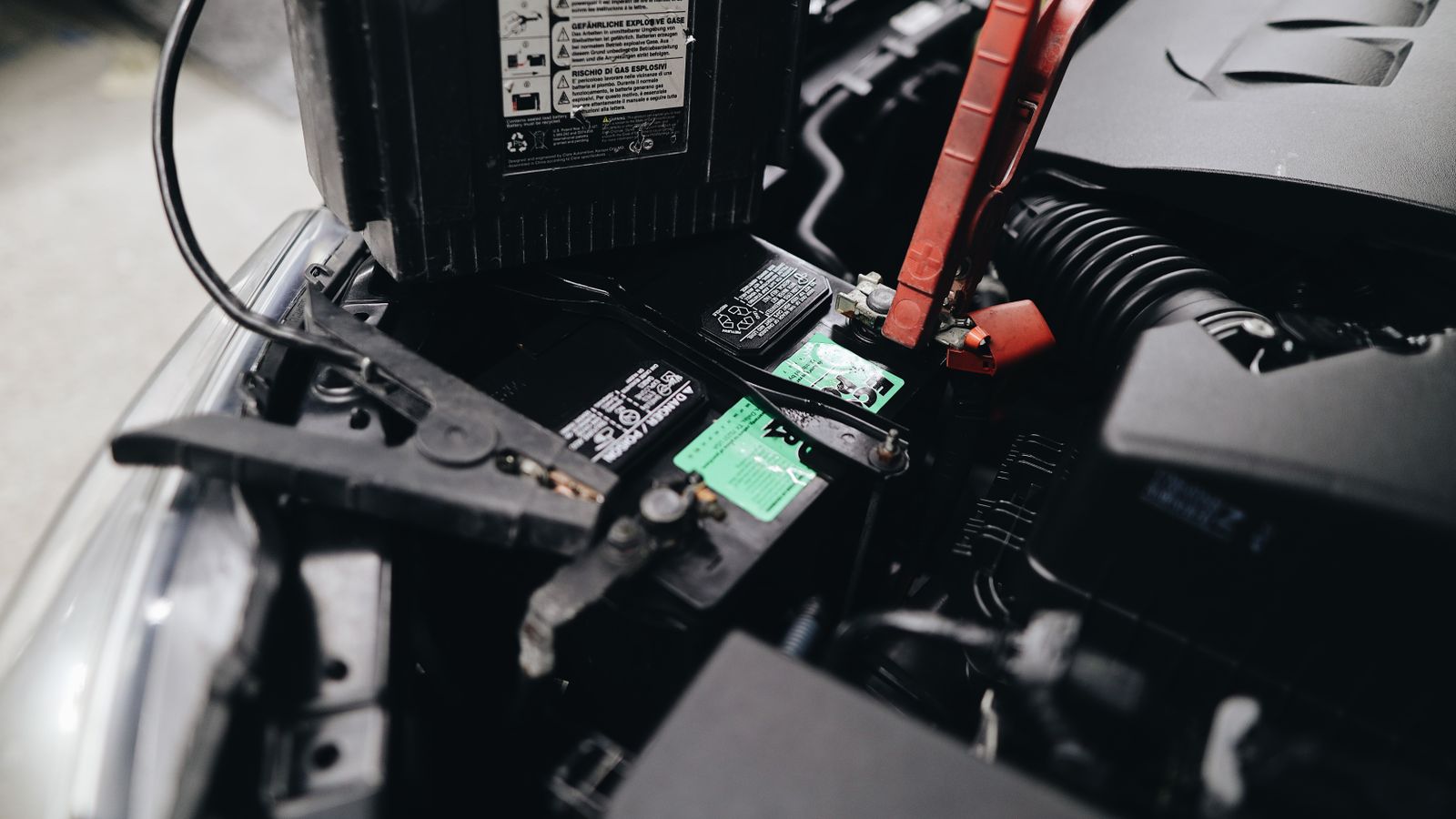
Why Your Car Won't Start: Battery, Starter, or Something Cheaper
What the sound (or silence) when you turn the key tells you — before you tow it anywhere.
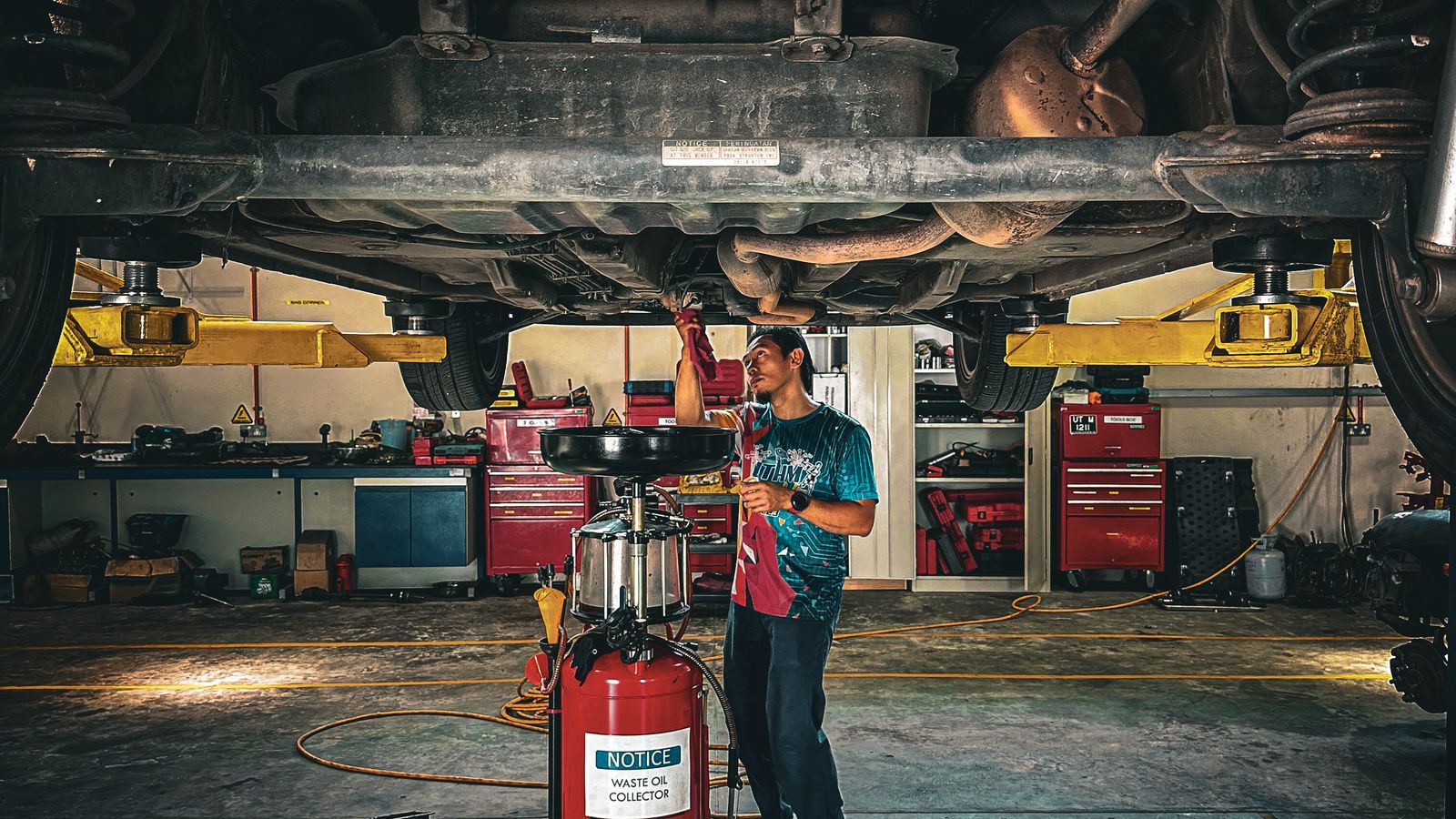
How to Change Your Own Oil (And Actually Save Money Doing It)
An hour in the driveway, the right oil, and one torque you shouldn't guess at.