
How to Wash Your Car Without Scratching the Paint (The Two-Bucket Method)
Those swirl marks in the sun are wash-induced — here's how to stop making them.
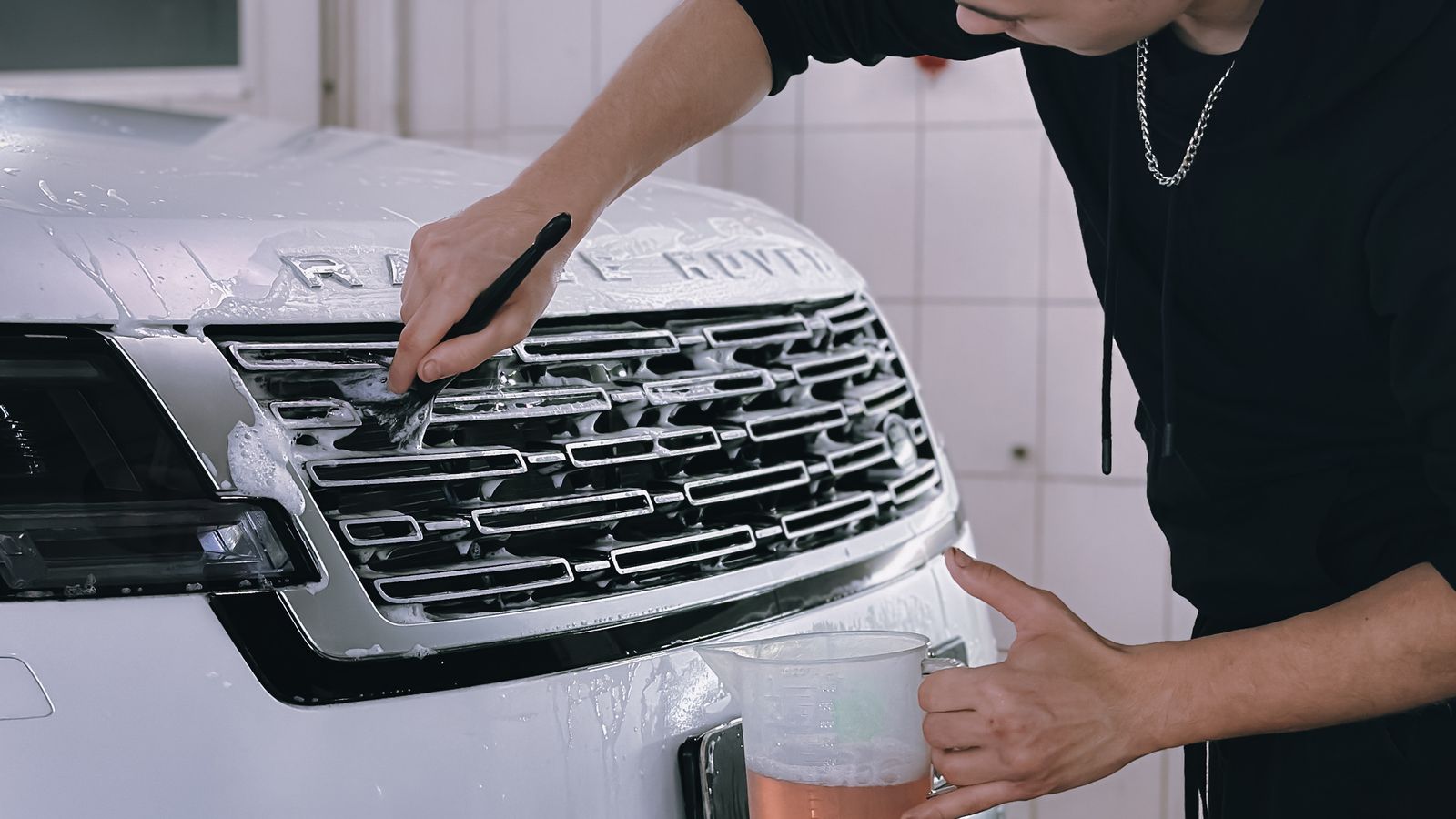
Pull your car into direct sunlight and look closely at the hood. See those fine, spider-web swirls that seem to circle out from every angle? Most of them didn't come from an automatic car wash or from bad luck — they came from washing the car by unknowingly dragging trapped grit across the paint, over and over. The good news: the fix costs about the price of a second bucket and a change of habit.
Swirl marks are thousands of tiny scratches, and almost all of them are self-inflicted during washing. The cause is simple: dirt picked up off the paint gets carried back across it on your wash mitt like sandpaper. The two-bucket method breaks that cycle by giving the grit somewhere to go besides back onto your car.
The two-bucket method
Fill two buckets: one with your car-wash soap and water, and one with plain rinse water. The rule that makes it work is one you repeat on every single pass:
- Load your mitt from the soap bucket and wash one section of the car.
- Rinse the mitt in the plain water bucket before you reload — this is where the dirt you just pulled off ends up.
- Reload from the soap bucket with a clean mitt and move to the next section.
Because the grit stays in the rinse bucket instead of your soapy water, you're never smearing yesterday's dirt back across the paint. Drop a grit guard — a plastic grate — in the bottom of each bucket and the sediment settles below it, so your mitt doesn't stir it back up when you dunk.
The rest of a scratch-free wash
- Rinse the whole car first. A thorough pre-rinse (or a foam pre-soak) knocks off the loose grit and grime before your mitt ever touches the paint, so there's far less abrasive material in play.
- Use a soft microfiber wash mitt, never an old sponge, a brush, or a bath towel. A sponge traps grit against the paint instead of lifting it away; a plush microfiber mitt pulls dirt up into its fibers and off the surface.
- Work top to bottom. The lower body panels and behind the wheels are filthiest, so do them last — otherwise you're picking up the worst grime early and dragging it up onto cleaner paint.
- Dry with a clean microfiber towel or a dedicated drying towel, blotting and dragging gently. Air-drying leaves water spots (mineral deposits etched by the sun), and a squeegee or old towel can scratch just like a dirty mitt.
Never wash in direct sun or on hot paint. The soap and water dry before you can rinse them, baking on streaks and water spots and forcing you to work faster and rougher than you should. Wash in the shade, or early or late in the day when the panels are cool to the touch — the whole job goes better and gentler.
What to do about swirls you already have
The two-bucket method stops new swirls; it won't erase the ones already there. Existing swirl marks live in the clear coat and can be polished out with a machine polisher and cutting compound — a bigger project, but a genuinely transformative one. Once you've corrected the paint (or even if you haven't), a coat of wax or sealant adds a sacrificial layer that makes future washing easier and gives minor grit something to slide against besides your clear coat.
Skip: dish soap. It's a degreaser, so it strips off the wax and protective coatings along with the dirt, leaving the paint bare and more prone to spotting and oxidation. Use an actual pH-balanced car-wash soap made to lift dirt gently without stripping your protection — it costs a few dollars and it's doing a different job than the stuff at your kitchen sink.
Build a simple wash kit
A scratch-free wash is easier when you're not improvising with whatever's in the garage. The short list: two buckets with grit guards, a plush microfiber wash mitt (two, if you want a separate one for the filthy lower panels), a proper pH-balanced car soap, and a couple of large microfiber drying towels. Keep the wheels and tires separate — they carry the harshest grit and brake dust, so wash them first with their own dedicated mitt or brush and their own water, then never use that mitt on the paint. That one separation prevents a lot of swirl marks all by itself, because wheel grit is exactly the abrasive stuff you don't want migrating onto the body.
Rinse your mitts thoroughly when you're done and let them air-dry rather than tossing them in a drawer dirty, and wash your microfiber towels without fabric softener (it clogs the fibers and kills their grip). Treated well, a good mitt and a set of towels last for years and keep earning their keep every single wash.
The payoff
None of this takes much longer than a careless wash once it's a habit — you're just being deliberate about where the dirt goes. The reward is paint that keeps its deep, swirl-free gloss for years instead of hazing over, and a car that holds its looks (and a bit of its value) far better than one washed with a sponge and a single bucket in the driveway sun.
Keep going
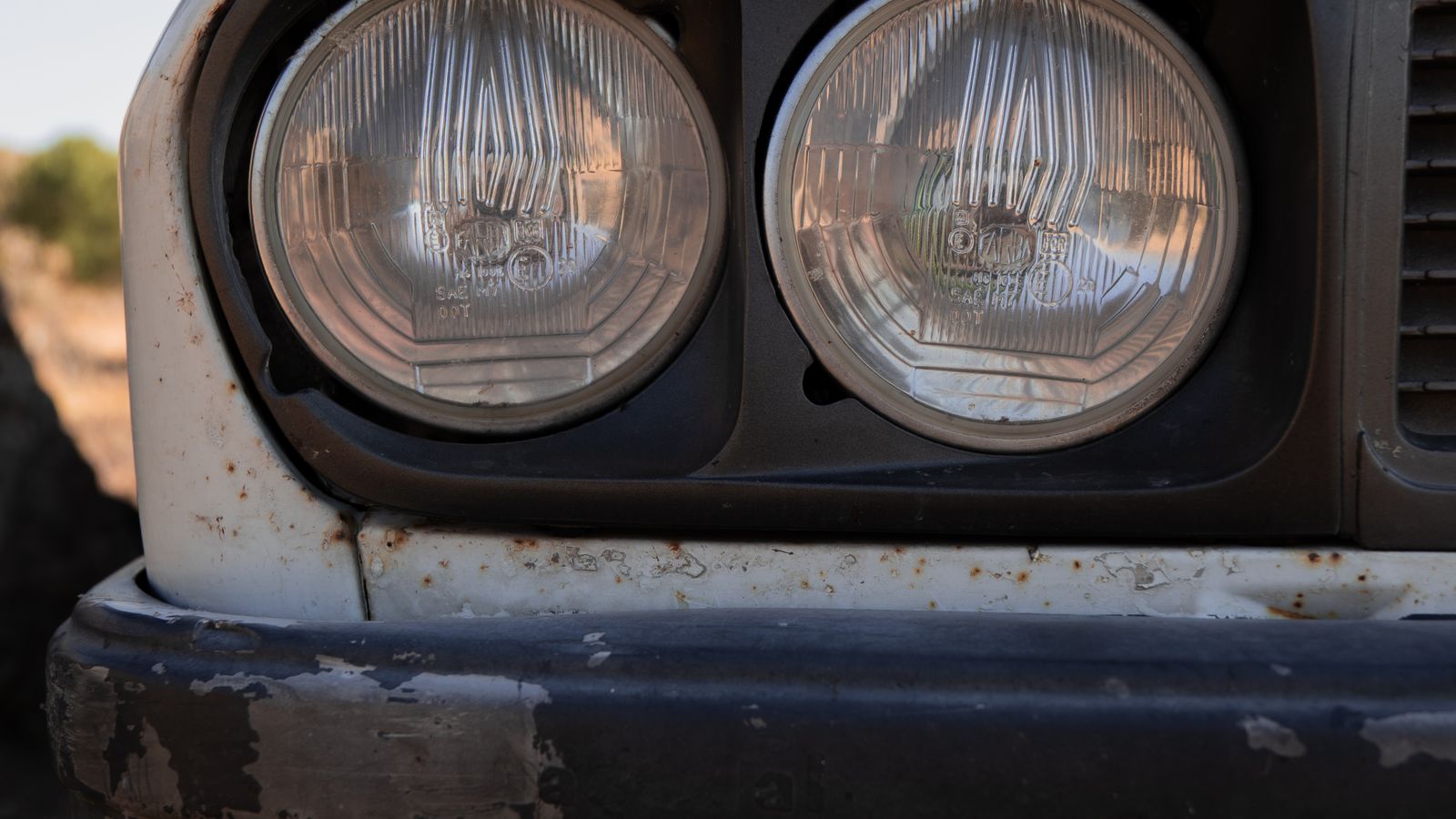
Fix Cloudy, Yellow Headlights in an Afternoon (No New Parts)
That foggy haze is a thin oxidized layer — sand it off, seal it, and they look new.
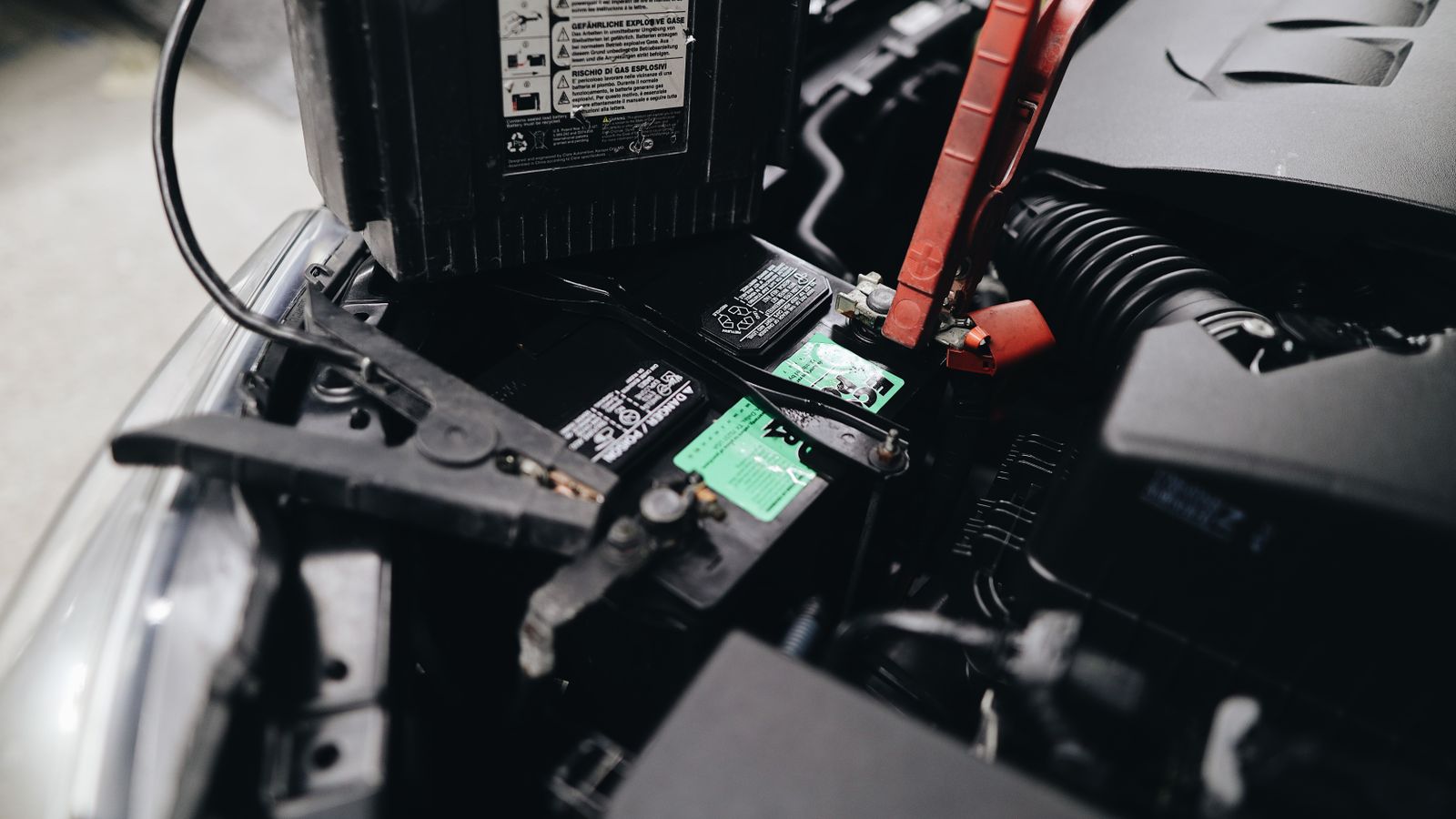
Why Your Car Won't Start: Battery, Starter, or Something Cheaper
What the sound (or silence) when you turn the key tells you — before you tow it anywhere.
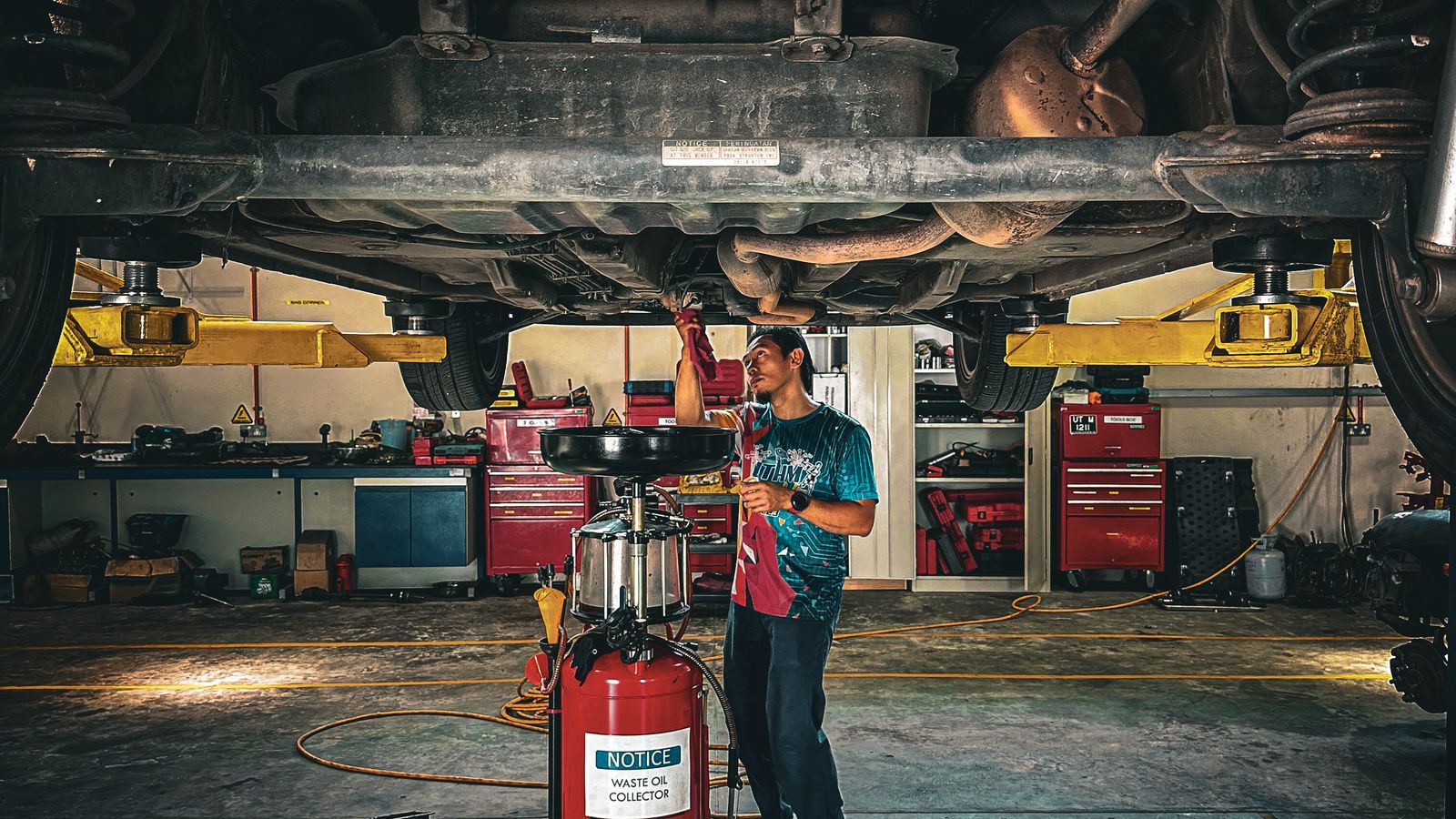
How to Change Your Own Oil (And Actually Save Money Doing It)
An hour in the driveway, the right oil, and one torque you shouldn't guess at.