
Tire Pressure: The Number on the Door, Not the Tire
The big PSI on the sidewall is a maximum, not a target — and it matters more than you think.
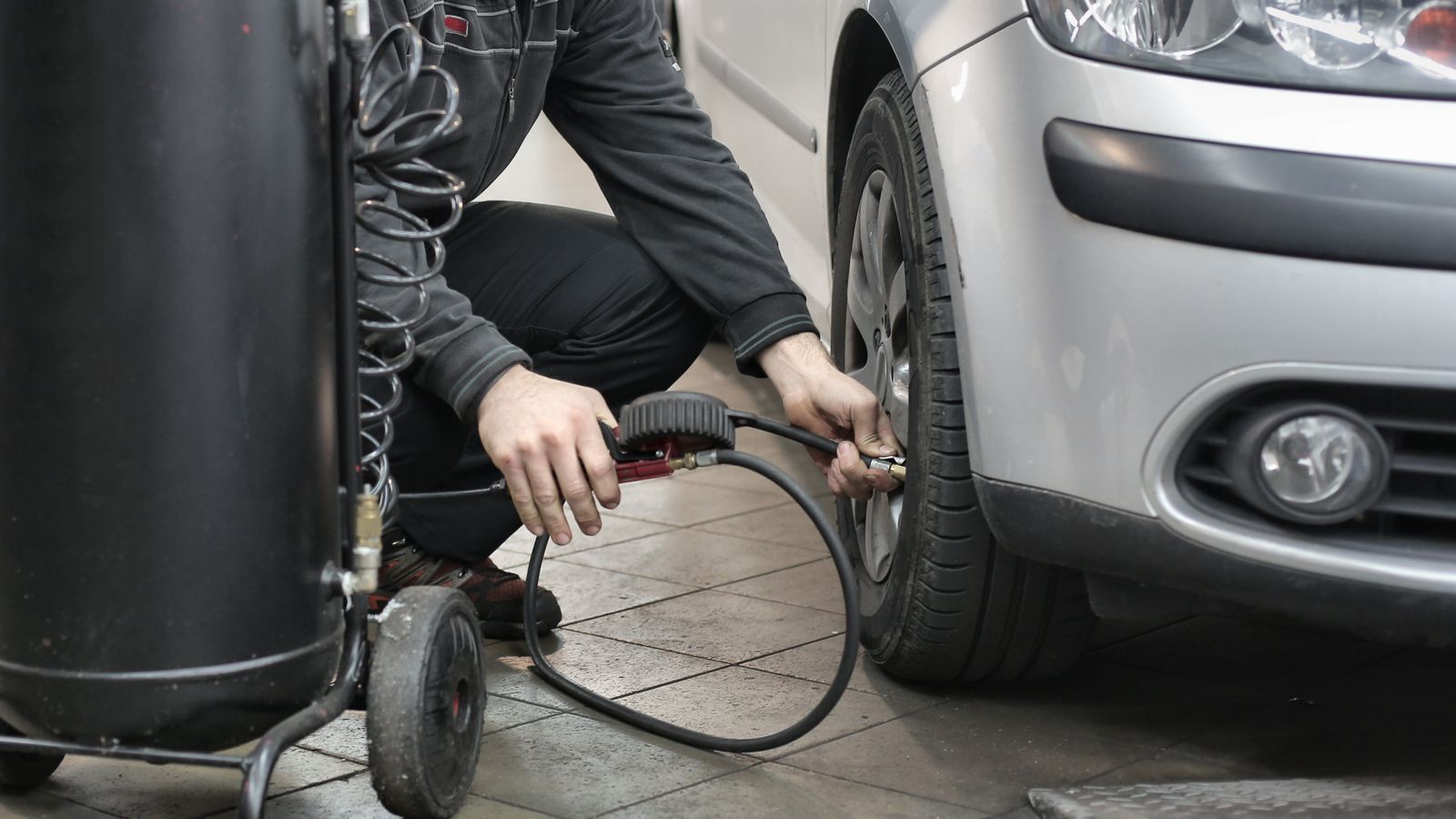
Half the drivers on the road are running the wrong tire pressure, and they got the number off the tire itself. That big PSI molded into the sidewall — the one that looks like the official spec — is the tire's maximum rating, not the pressure your car is designed to run. Inflate to it and you're overinflated on most vehicles, with a harsh ride and less grip than you should have.
The right pressure for your car comes from the carmaker, not the tire maker. The tire's sidebar number is the most it can safely hold; the number on your door jamb is the pressure engineered for your vehicle's weight, handling, and ride. Use the door, check it cold, and you get better mileage, even tread wear, and tires that last thousands of miles longer.
Where the right number actually lives
Open the driver's door and look at the placard sticker on the door jamb (on some cars it's inside the fuel door or in the glovebox, and it's always in the owner's manual). It lists the recommended cold pressure — usually somewhere in the low-to-mid 30s PSI — often with different numbers for front and rear, and sometimes a higher figure for heavy loads. That's your target. If your front and rear specs differ, match each axle to its own number.
Check it cold — this is the catch
Tires heat up as you drive, and hot air expands, so a tire reads several PSI higher after a run than it does cold. "Cold" means before you've driven, or at least a few hours after the car has sat. Check and set pressure cold, to the door-jamb number:
- Use your own gauge. A cheap pencil or dial gauge in the glovebox beats the beat-up gauges built into gas-station air pumps, which are notoriously inaccurate.
- Check all four, plus the spare. They don't lose air evenly, and a spare that's flat when you finally need it is no spare at all.
- Set them cold. If you must fill at a station after driving, add a couple of PSI over target to account for the warm-up, then recheck cold at home.
Why the two minutes pays off
- Underinflated: the tire flexes too much and runs hot, which is the classic setup for a highway blowout. You also get squishy, vague handling, faster wear on the outer edges of the tread, and measurably worse gas mileage.
- Overinflated: a harsh, skittery ride, less rubber actually touching the road (so less grip and longer stops), and the center of the tread wearing out early while the edges stay fresh.
Correct pressure splits the difference the engineers intended: full tread contact, even wear, the best mileage the tire can give, and the safety margin the car was designed around.
Pressure swings with the seasons. Tires lose roughly a pound of pressure for every 10°F the temperature drops, which is why the low-pressure warning so often pops up on the first cold morning of fall. That light isn't always a leak — sometimes it's just winter arriving. Check and top up cold when the weather turns.
Don't ignore the TPMS light
The tire-pressure warning light (a horseshoe shape with an exclamation point) comes on when a tire drops meaningfully below spec. Don't assume it's a glitch: check all four with your gauge and fill to the door number. If one keeps going low after you fill it, you've got a slow leak — a nail, a bad valve, or a corroded rim — worth finding before it strands you. A tire losing air is telling you something; the light is just how it talks.
A couple of things people get wrong
The spare counts too. A temporary "donut" spare usually needs much higher pressure than your regular tires — often around 60 PSI, printed right on it — and it slowly loses air sitting unused for years. Check it now, not when you're already stranded changing a flat in the dark. Nitrogen isn't magic. Shops sell nitrogen fills (the green valve caps) on the promise of steadier pressure, and while nitrogen does seep out slightly slower, plain air is already 78% nitrogen — you don't need to pay for it, and you can always top a nitrogen tire with regular air in a pinch. And TPMS has limits: the basic systems only warn you once a tire is already several PSI low, so the light coming on means the tire's been low for a while, not that it just dropped. That's exactly why a monthly gauge check beats waiting for the light — you catch a slow leak while it's still a slow leak, not after it's flattened the tire and chewed up the sidewall. Keep a decent gauge in the glovebox and a small 12-volt inflator in the trunk, and a low tire on a cold morning becomes a two-minute fix in your own driveway instead of a reason to be late.
Skip: "eyeballing" pressure. A radial tire can be 10 PSI low and still look basically round to the eye — it doesn't visibly bulge until it's dangerously flat. The only honest way to know is a gauge, and it takes thirty seconds a tire.
Keep going
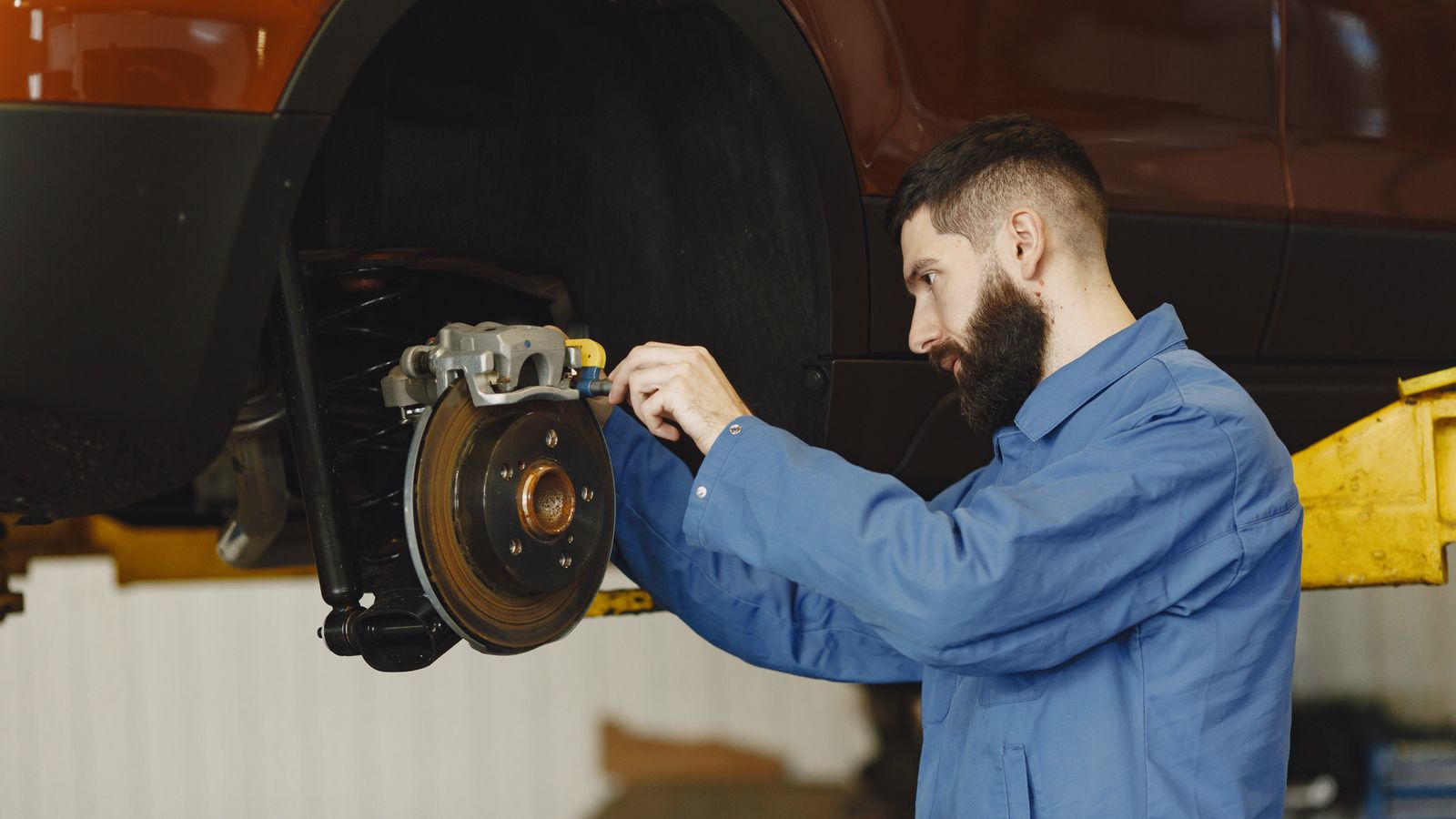
How to Know When Your Brake Pads Are Actually Worn Out
The squeal is a warning on purpose. The grind means you waited too long.
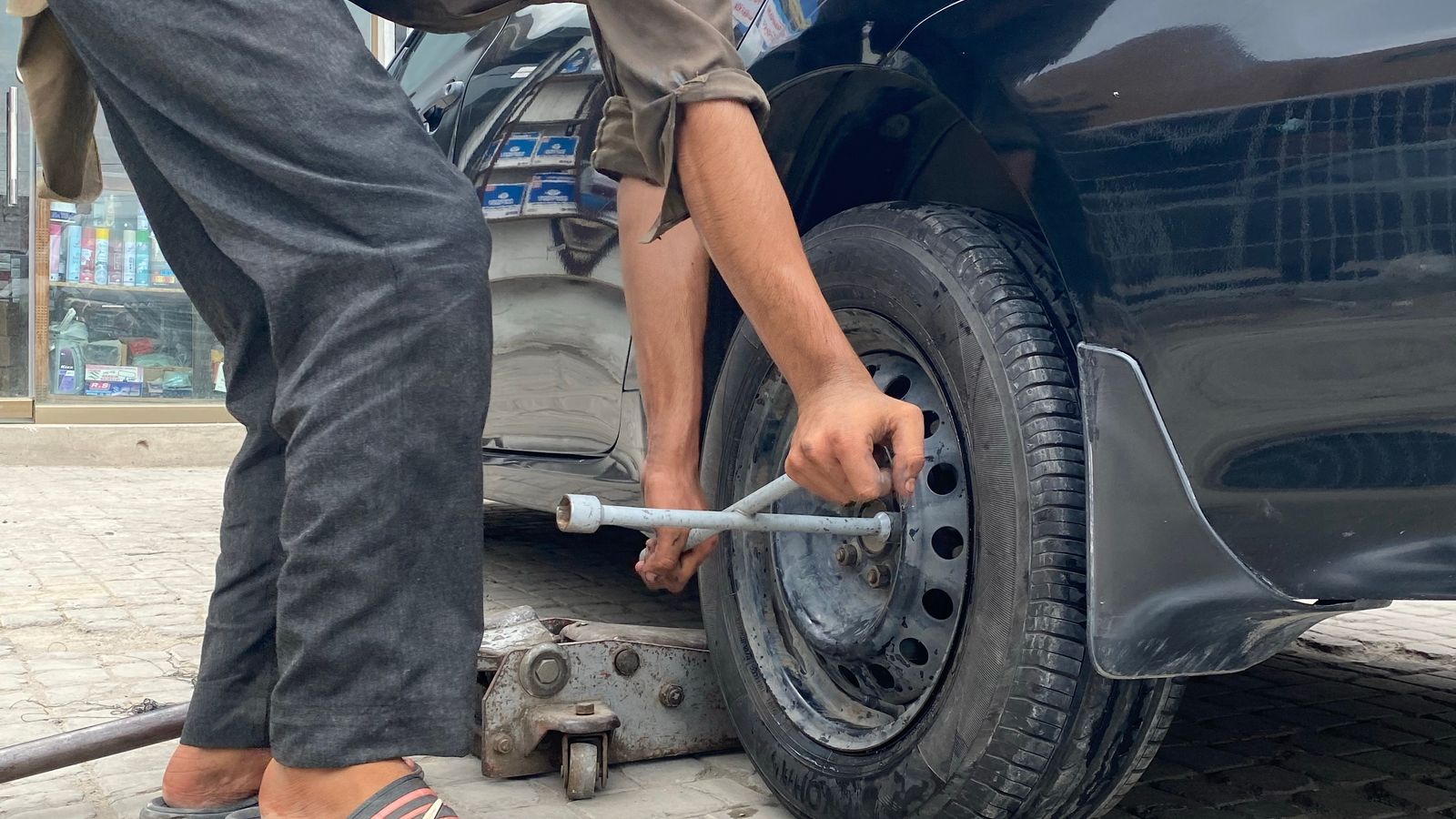
How to Rotate Your Own Tires (And Why It's Worth the Hour)
Even tread wear is basically free money — you're just moving wheels around.
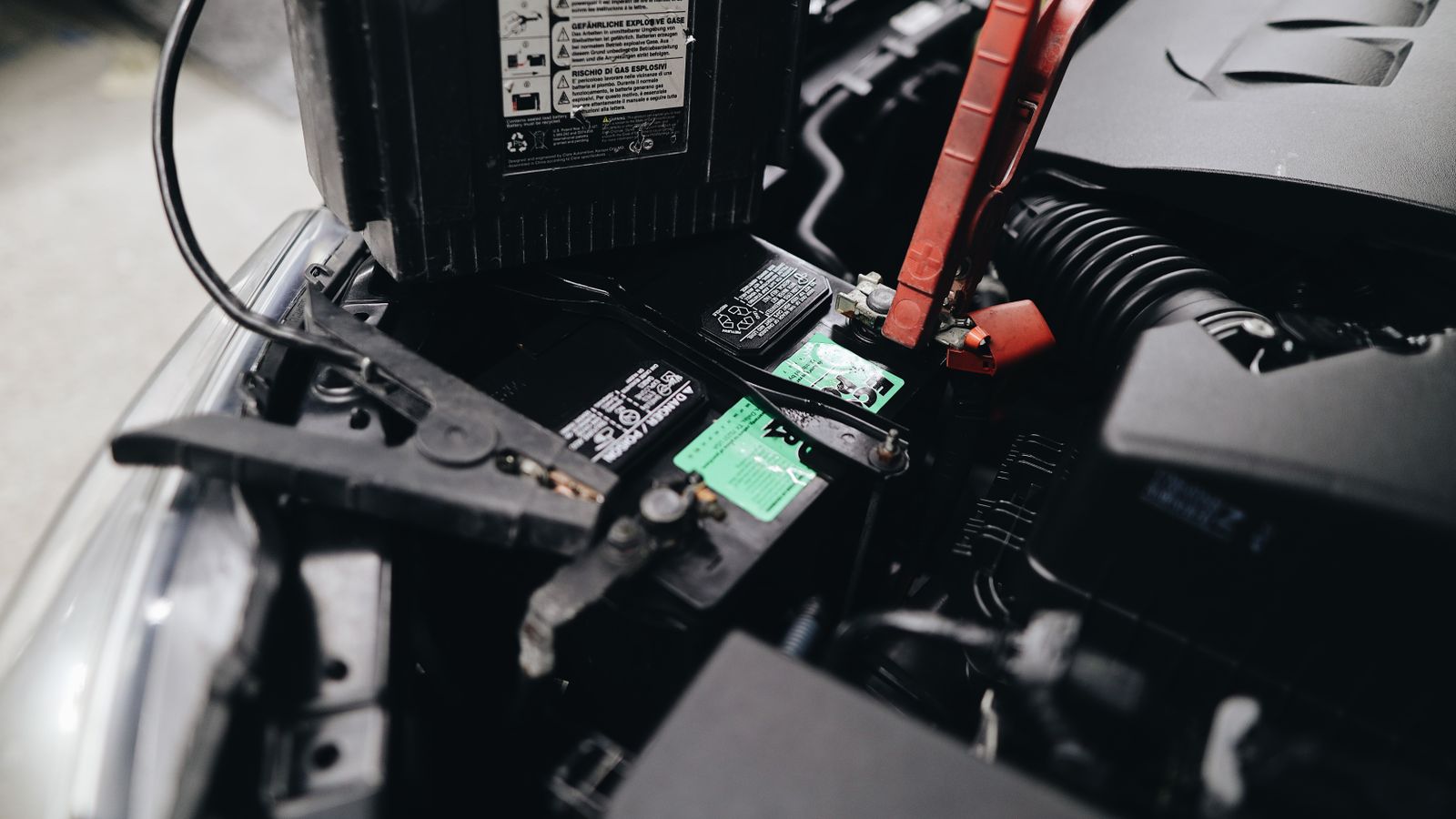
Why Your Car Won't Start: Battery, Starter, or Something Cheaper
What the sound (or silence) when you turn the key tells you — before you tow it anywhere.